Where to Stay in Bordeaux with Family or Friends? A Guide to Choosing a Place That Brings People Together
There are trips where you forget about the hotel… and others you remember because of the home.
Sometimes all it takes is one little detail to realize you’ve chosen the right place.
The aroma of coffee wafting from the kitchen as the first rays of sunlight stream through the shutters. A large table where everyone gathers without watching the clock. The children playing in the garden while the adults linger over breakfast. Or that conversation that carries on late into the evening, with no one thinking of leaving the restaurant because everyone already feels “at home.”
When planning a trip to Bordeaux with family or friends, we often spend time selecting sights to see, restaurants to visit, or wineries to explore. Yet the choice of accommodations influences the experience just as much. More than just a place to sleep, it becomes the setting for reunions, celebrations, or vacations that have been anticipated for months.
In Bordeaux, where heritage, gastronomy, and the good life come together, the place where you stay is an integral part of the trip. It’s no longer just a matter of comfort or location—it’s a way of experiencing the city.
In this article, you will find:
Bordeaux, a destination that’s as much about the experience as it is about sightseeing
While Bordeaux has long captivated wine lovers, today it attracts a much broader audience. Families, groups of friends, international travelers, businesses, and young couples come here in search of a rare balance between heritage, culture, gastronomy, and quality of life.
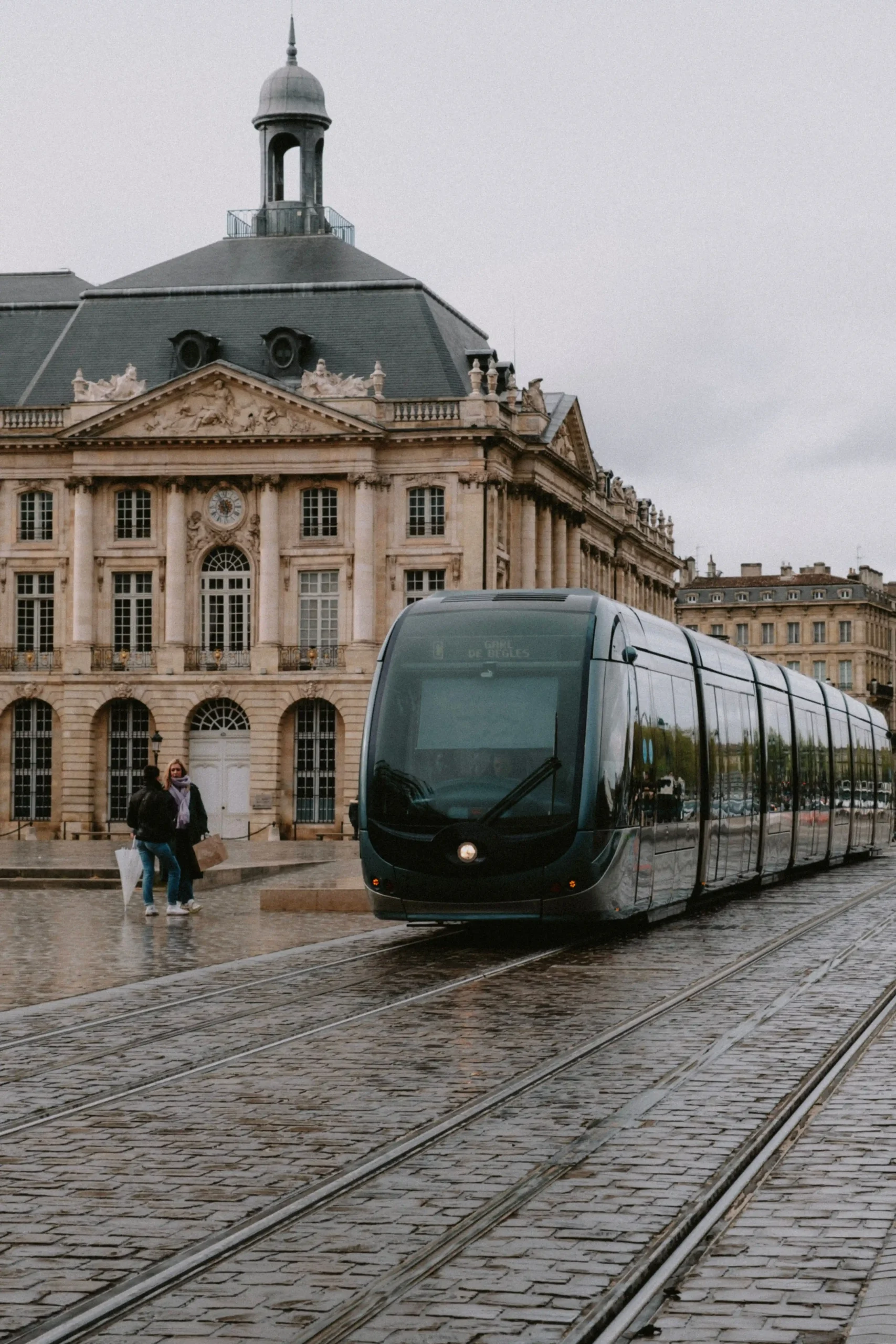
The historic center, a UNESCO World Heritage Site since 2007, is one of the largest protected urban complexes in the world. Behind its 18th-century facades, the city reveals a multitude of neighborhoods with very different atmospheres, each offering a unique way to discover Bordeaux.
This appeal is also reflected in the numbers. In 2024, Bordeaux Métropole recorded 7.2 million overnight stays, demonstrating the growing interest of French and international visitors in the destination. The average length of stay remains relatively short—around two days—which encourages travelers to choose accommodations that allow them to make the most of every moment.
In other words, when you only have a weekend or a few days, every moment counts.
And that is precisely where the choice of accommodation becomes so important.
Why Accommodations Have Become a True Travel Experience
Just a decade ago, a hotel met most travelers’ needs: a comfortable room, a good location, and breakfast were often enough to satisfy them.
Today, expectations have changed.
Travelers are seeking more independence, a warm atmosphere, and authenticity. They want to experience the destination rather than simply visit it. This shift is widely observed by those in the tourism industry, who are seeing a rise in stays centered on experience, sharing, and local immersion.
This trend explains, in particular, the success of character homes.
Unlike a hotel room, a house offers several living spaces. People don’t just go there to sleep; they cook, socialize, celebrate a birthday, plan a day of exploration, or simply settle in with a book while others enjoy the garden.
These moments, though ordinary, often become the fondest memories of the stay.
Hotel, apartment, or house: How do you choose?
Each type of accommodation meets different needs.
Hotels remain the perfect choice for a business trip or a romantic getaway. Service is prompt, there are few restrictions, and everything is well organized.
An apartment is often a good compromise for short stays, especially when you want to cook a few meals or enjoy more independence.
But when traveling with a group, a house offers a different experience.
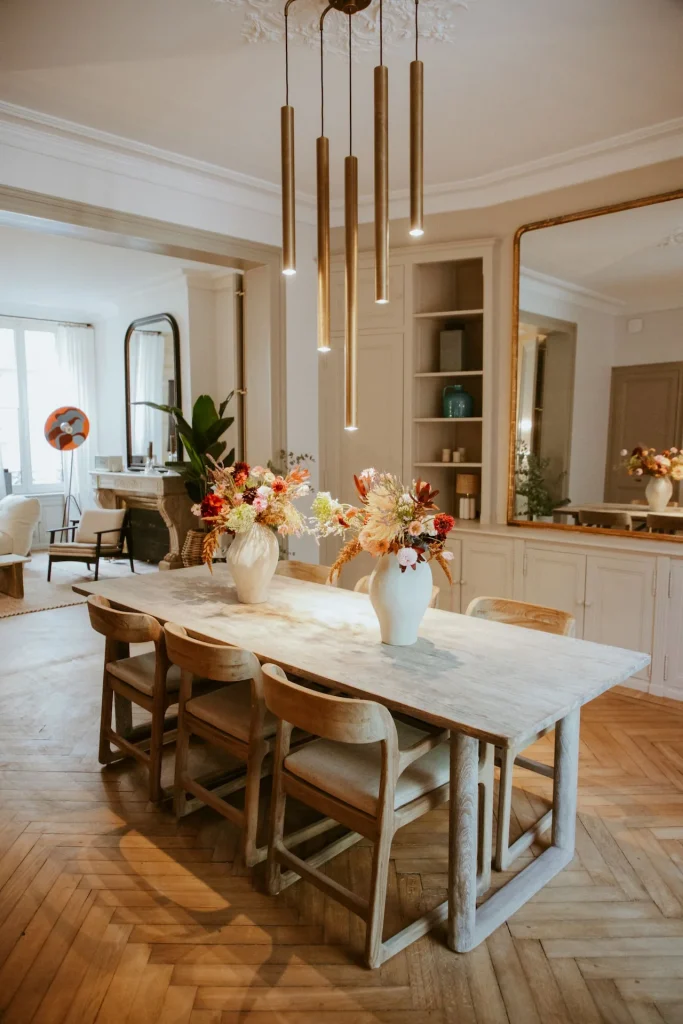
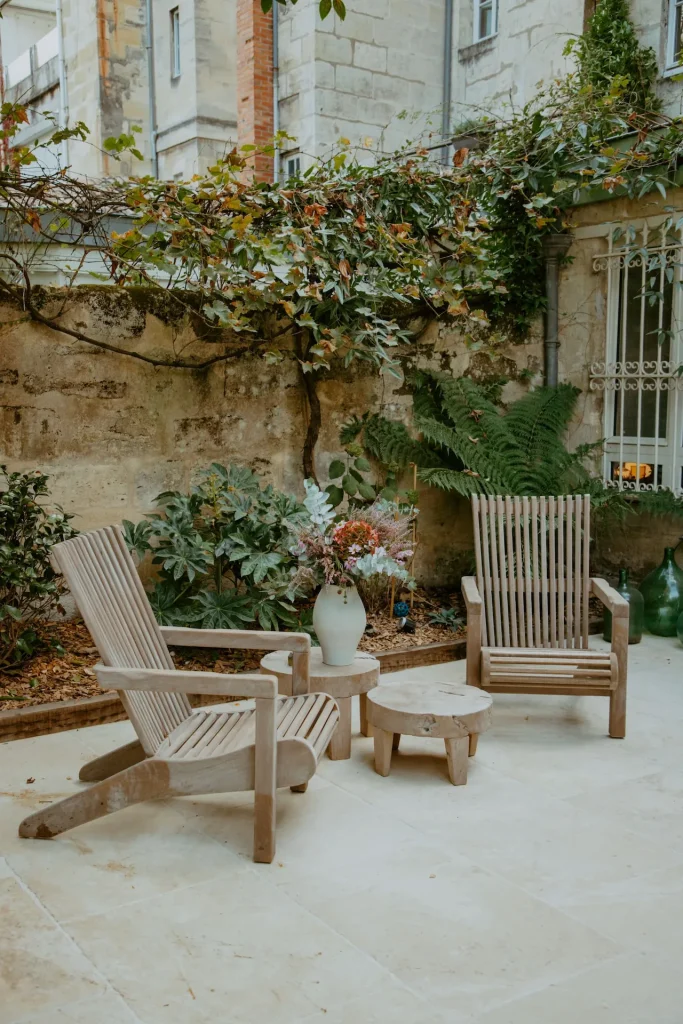
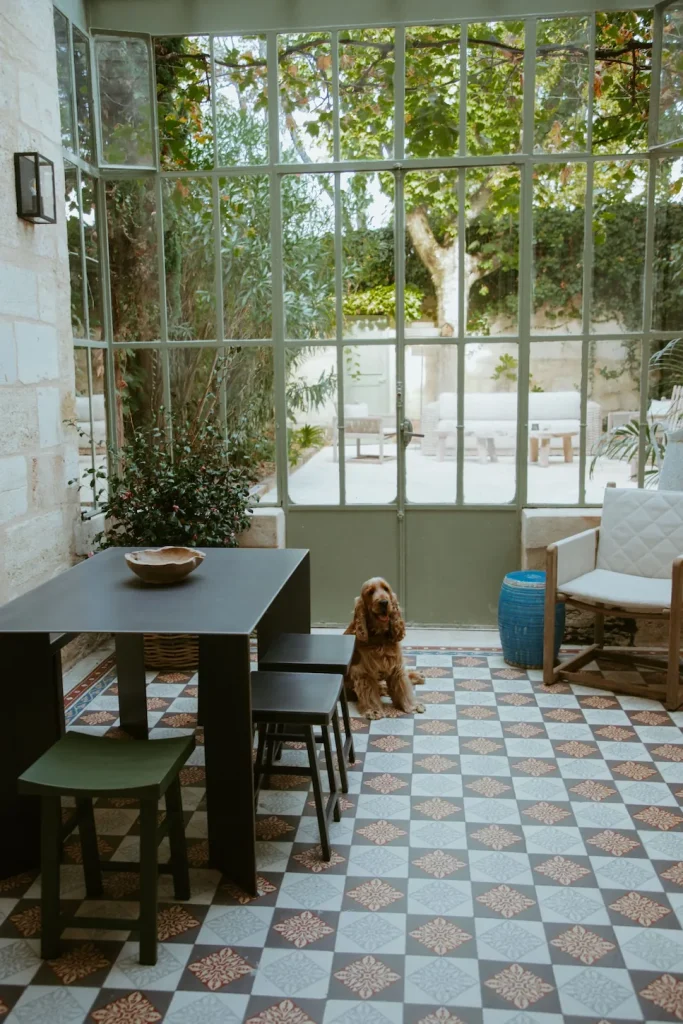
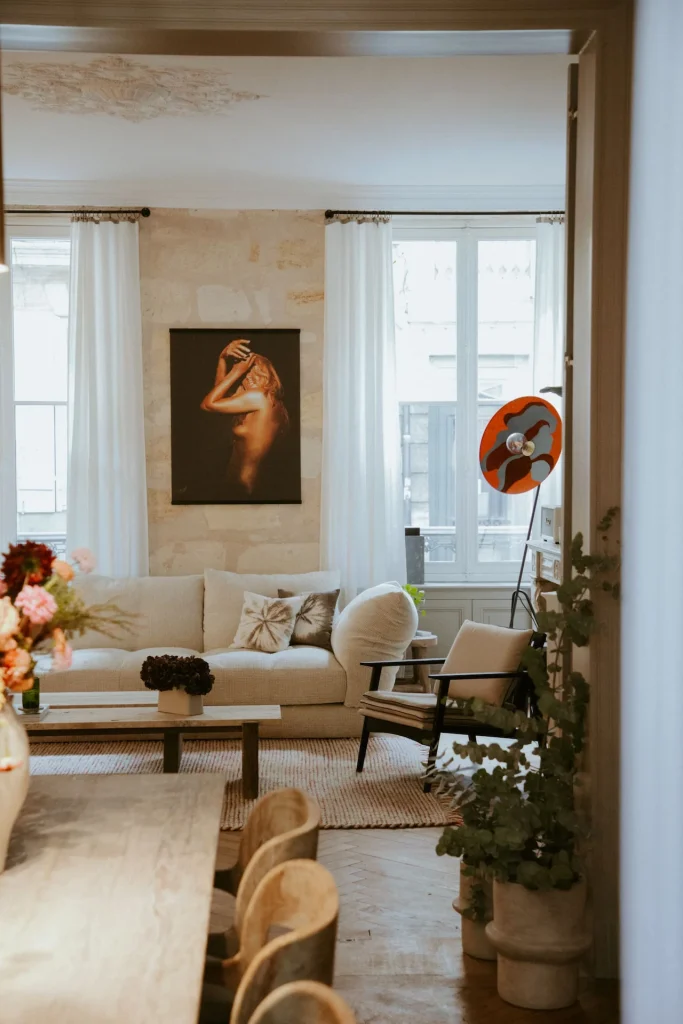
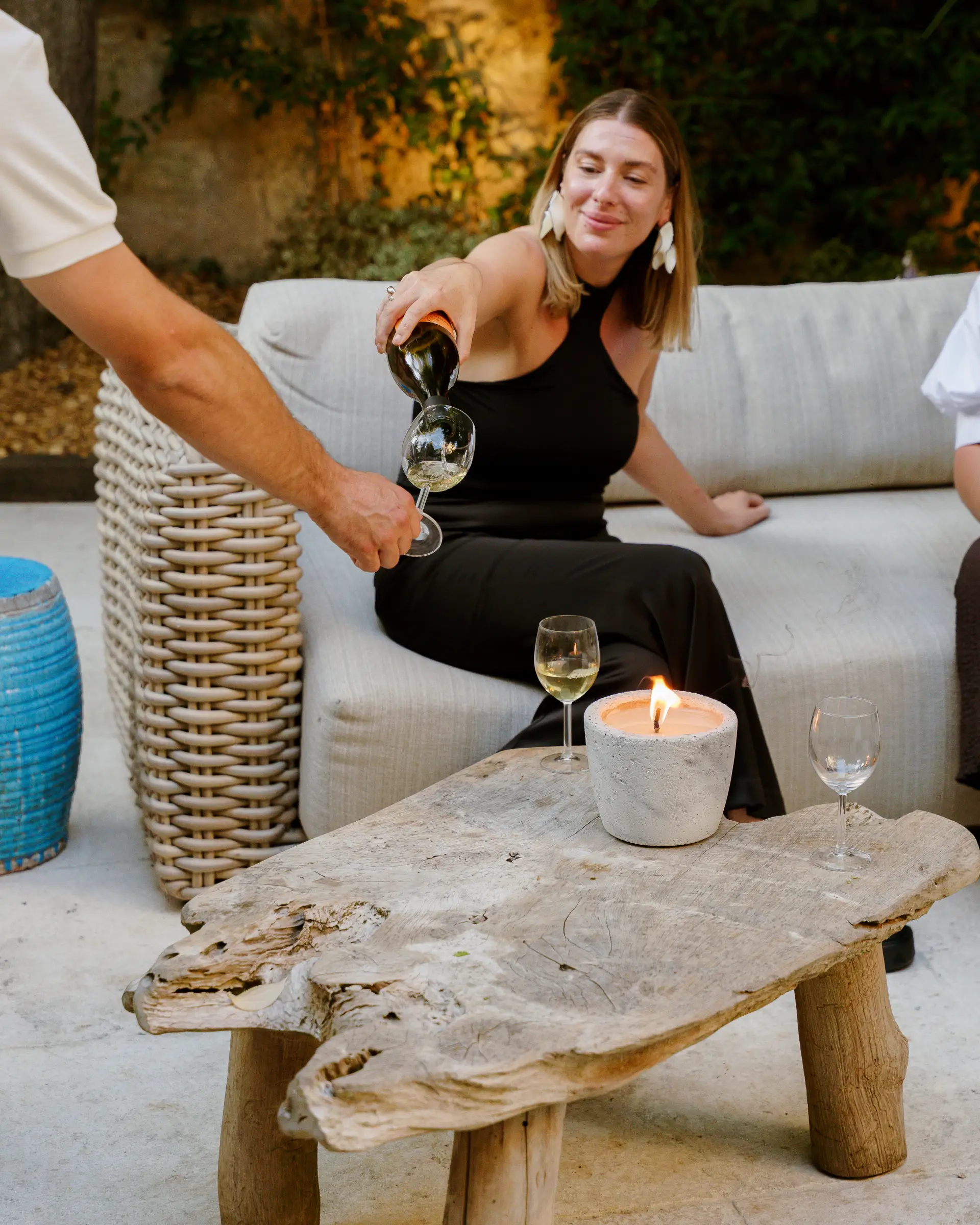
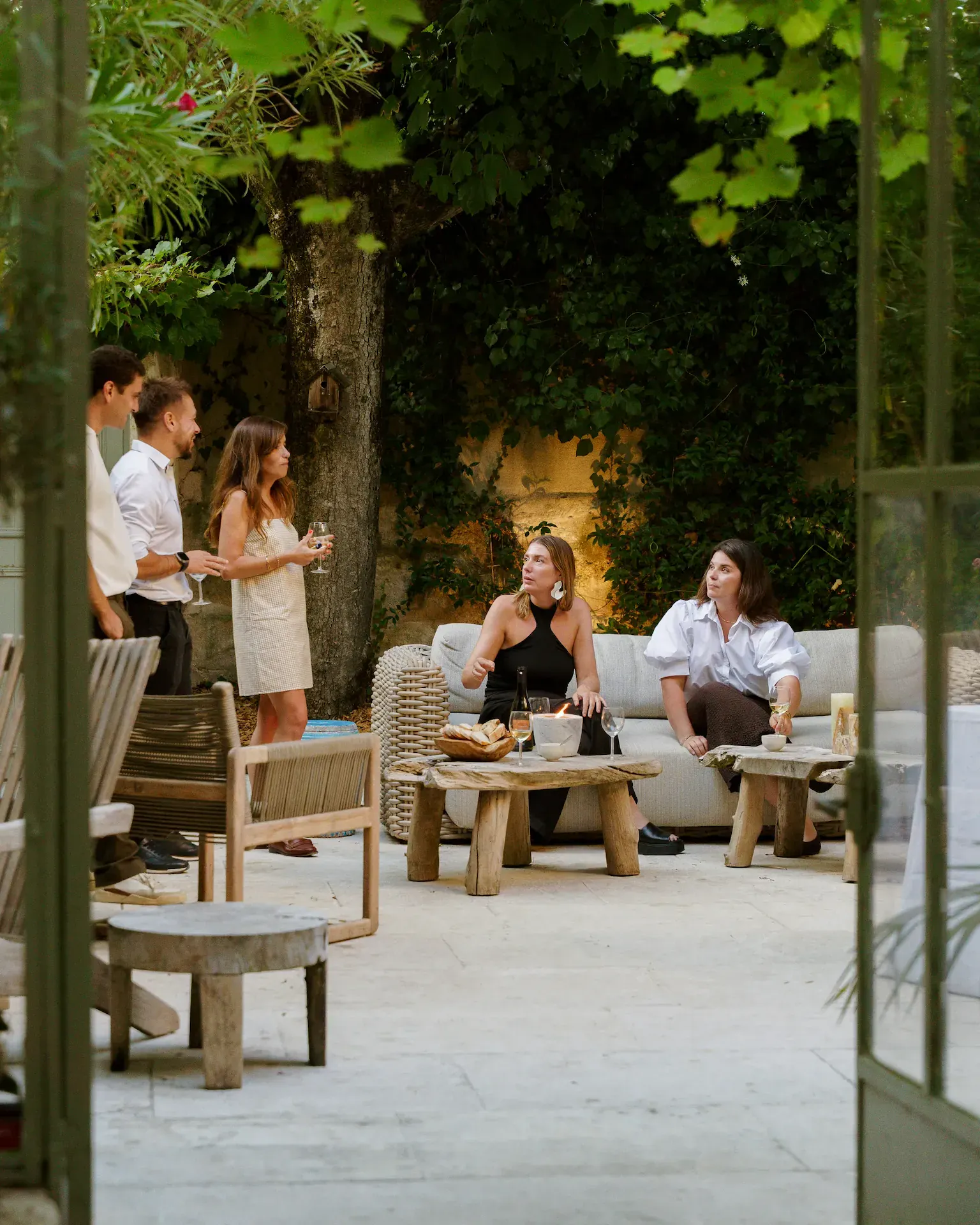
It allows everyone to maintain their privacy while creating genuine shared spaces. A large kitchen where you can prepare dinner after a day in the vineyards. A living room where you can share a tasting of local wines. A terrace where you can extend your summer evenings. A garden where children can play while the adults take the time to chat.
These are all moments that won’t be found in any travel guide, yet they play a key role in making your trip a success.
Traveling together without giving up your own pace
One of the main challenges of group travel is managing everyone’s pace.
Some people like to head out as soon as the museums open.
Others prefer to enjoy a leisurely cup of coffee before starting their day.
Children sometimes need a nap while the adults want to continue their sightseeing.
In a house, these differences become much easier to reconcile.
Everyone has their own space while naturally rejoining the group at key times: breakfast, dinner, or drinks on the terrace.
This freedom helps make the trip run more smoothly, feel more relaxed, and is often more enjoyable for everyone.
Choosing a neighborhood: a decision that changes the way you experience Bordeaux
Every city has many faces.
Bordeaux is no exception to this rule.
Depending on the neighborhood where you stay, your trip will take on a different character. Some prefer the bustling atmosphere of the historic center, while others seek more peace and quiet, green spaces, or a more residential atmosphere.
True luxury may not lie in being right in the heart of the action, but in being able to reach it on foot while still returning to a peaceful setting come evening.
This is precisely why there is growing interest in residential neighborhoodslocated just a few minutes from the very center of the city.
Saint-Seurin: The Part of Bordeaux Where Bordelais Love to Live
If one had to choose a neighborhood that best embodies a certain vision of the Bordeaux way of life, Saint-Seurin would undoubtedly be among the first to come to mind.
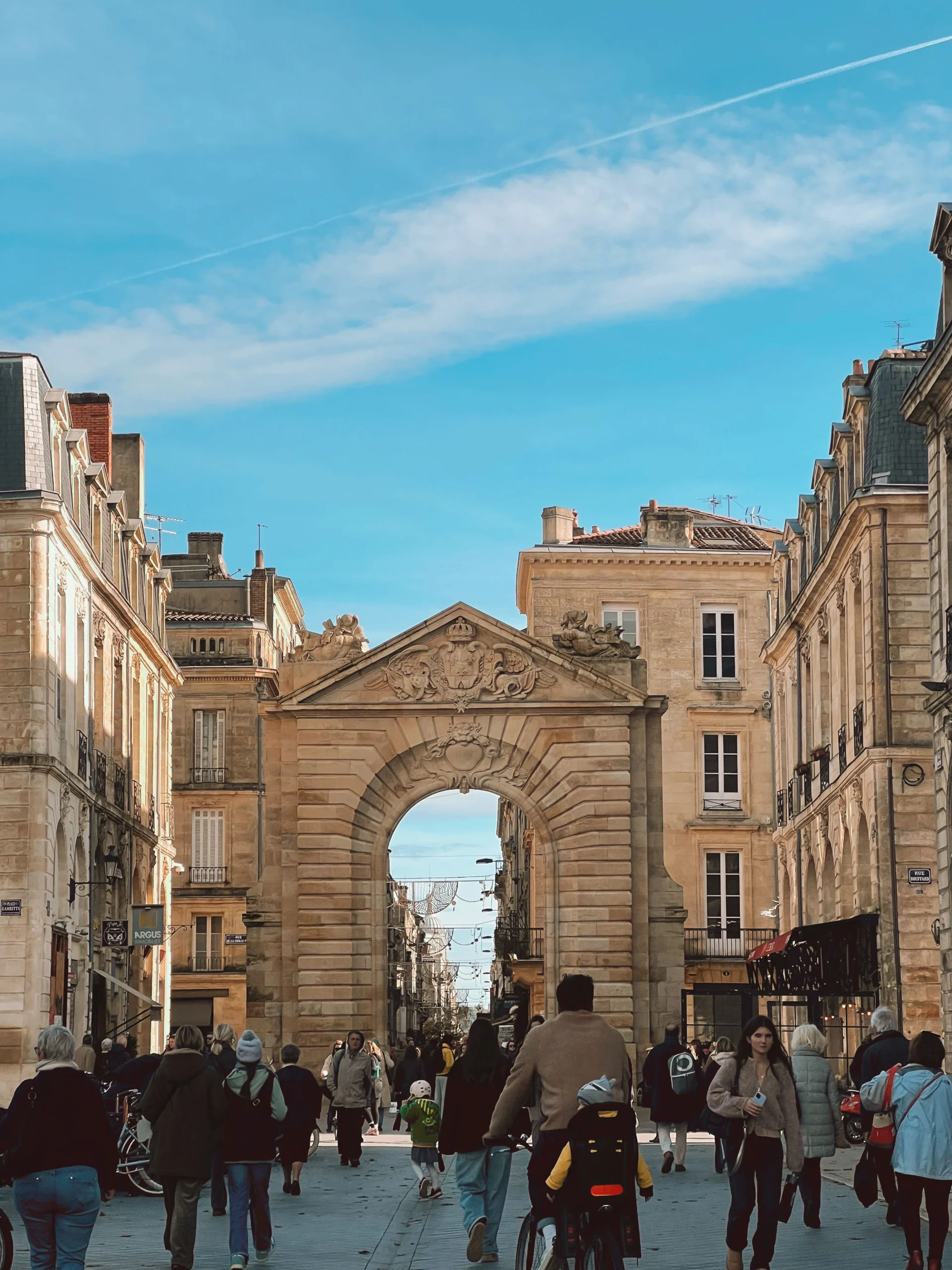
Just a few minutes from Place Gambetta, the pace shifts imperceptibly. The streets become quieter.
The light-colored stone facades reveal beautiful family homes. Local shops gradually replace tourist-oriented businesses.
You hear the locals chatting more than the clatter of wheeled suitcases. The neighborhood possesses a rare quality: it gives you the feeling ofactually living in Bordeauxrather than just staying there.
Around the Saint-Seurin Basilica, a UNESCO World Heritage Site as part of the Routes of Santiago de Compostela, several centuries of history coexist with a particularly vibrant neighborhood life. Just a few streets away are also the ruins of the Palais Gallien, the last surviving Roman amphitheater in Bordeaux.
This is a neighborhood best explored on foot.
Stop by an artisan bakery. Take the time to stroll down Rue Fondaudège. Notice the details of the carriage gates, the wisteria spilling out of the gardens, and the small independent bookstores dotted along the streets. This laid-back charm is an integral part of the Bordeaux experience.
The Public Garden: A Breath of Fresh Air in the Heart of the City
Just a few minutes from Saint-Seurin lies one of the favorite spots of the people of Bordeaux: the Jardin Public.
Created in the 18th century, this nearly 11-hectare park—designated a “Remarkable Garden”—is now one of the city center’s main green spaces. It features a botanical garden, a natural history museum, playgrounds, a puppet theater, and vast lawns where locals and visitors alike enjoy slowing down.
In the morning, joggers pass families who have come to enjoy the first rays of sunshine. At lunchtime, people spread out their tablecloths on the grass.
In the afternoon, children watch the ducks while others simply read a book under the century-old trees. This garden says a lot about how the people of Bordeaux experience their city. It’s not just a park—it’s a true gathering place.
A home lets you experience Bordeaux in a different way
When you stay in a house, the city ceases to be just a series of monuments. It becomes the backdrop for everyday life. In the morning, you stop by the neighborhood bakery to buy some pastries.
On the way back from the market, everyone naturally pitches in to prepare lunch. The children play while some enjoy a cup of coffee in the garden.
In the late afternoon, a stroll along the riverbanks gives way to a dinner prepared together. This series of small rituals creates a surprising feeling: that of temporarily calling Bordeaux home. And it’s often this very feeling that travelers are seeking today.
They want to discover a destination as its residents would, take their time, get to know a neighborhood, and return each evening to a place where they feel at home.
A house naturally lends itself to this way of traveling. It offers space, freedom, and a sense of warmth that more traditional accommodations sometimes struggle to replicate.
The criteria that really make a difference
Beyond the number of rooms or the square footage, certain factors have a profound impact on the quality of a stay.
Location
Being close to the historic center is an advantage. Being able to walk there while enjoying a quiet setting is an even greater one.
Living Spaces
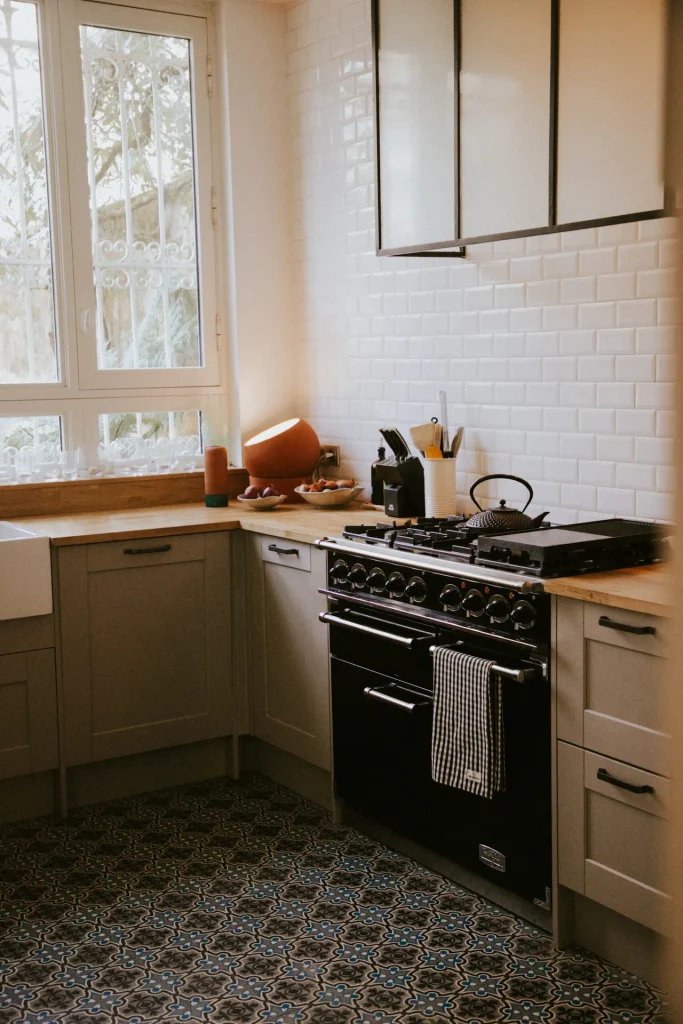
A spacious kitchen.
A cozy living room.
A terrace.
A garden.
These spaces quickly become the heart of your stay. They allow you to share much more than just nights. They create memories.
Light
This is something people rarely think about when making a reservation.
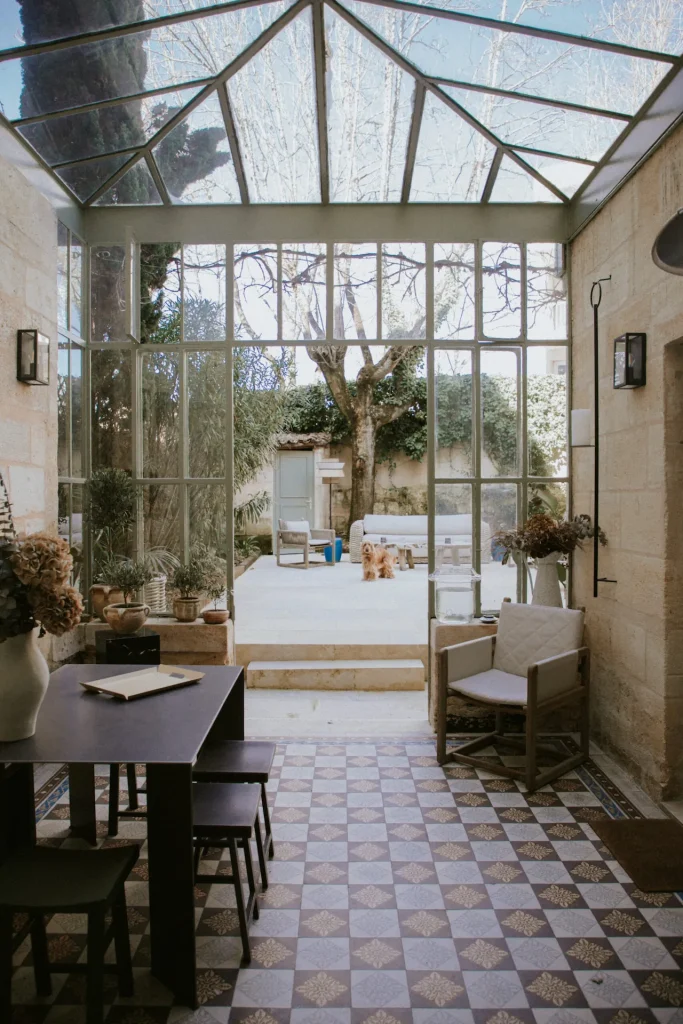
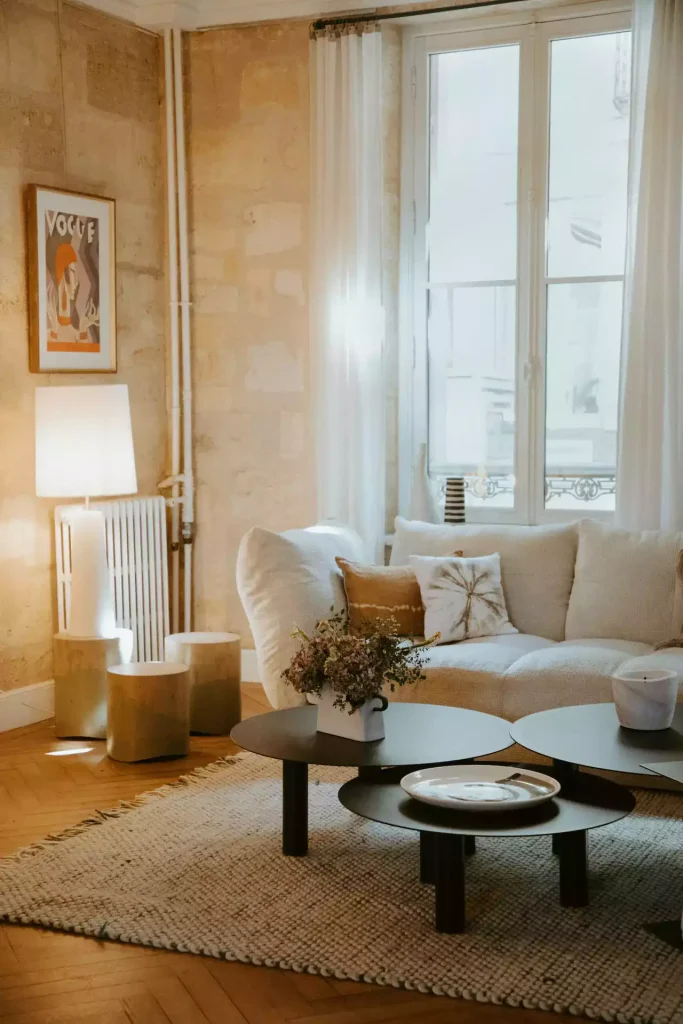
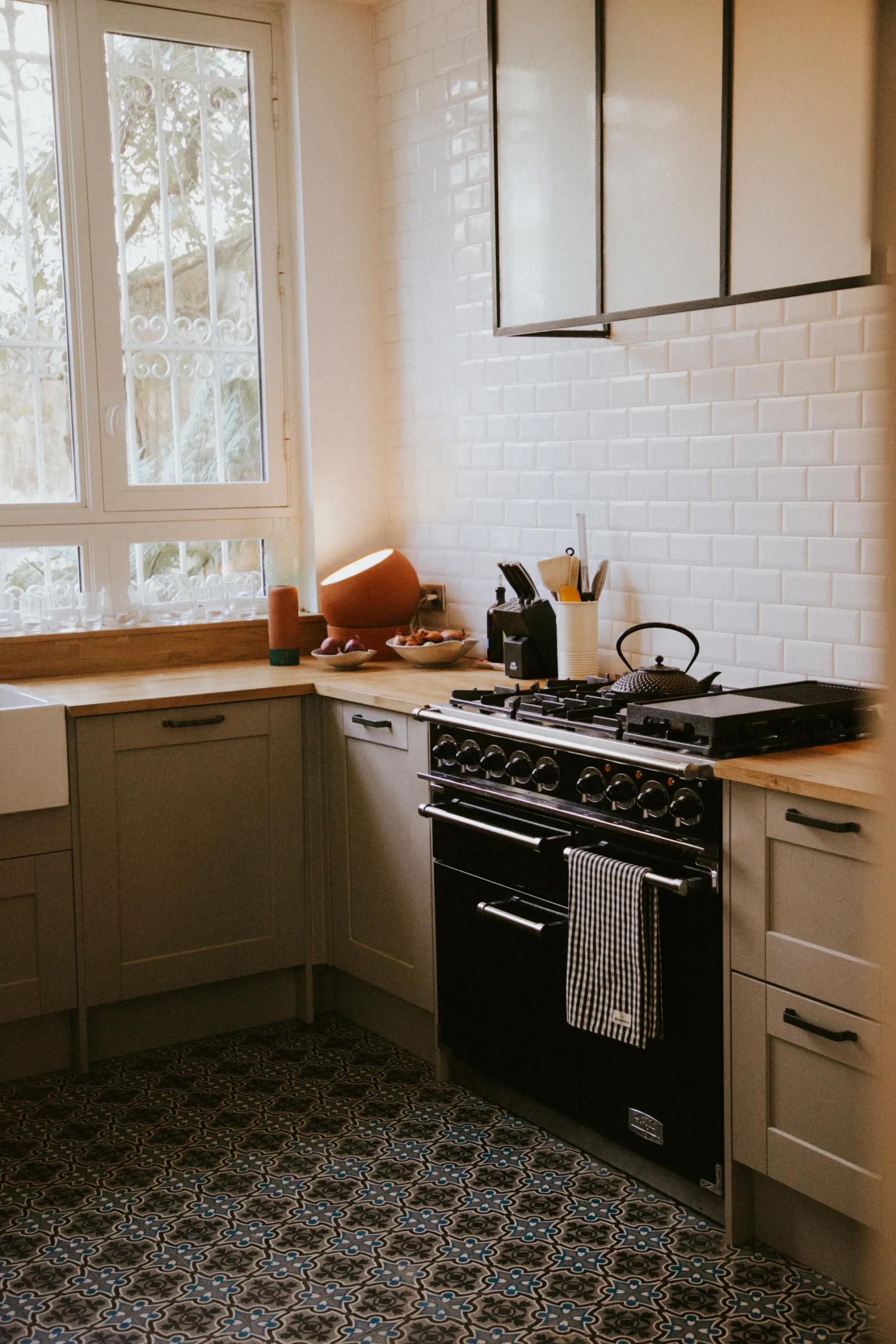
Yet a home bathed in light instantly transforms the atmosphere of a stay. It invites you to open the windows, enjoy your coffee by a picture window, or linger over meals as the sun goes down.
The character of the place
Not all houses tell a story.
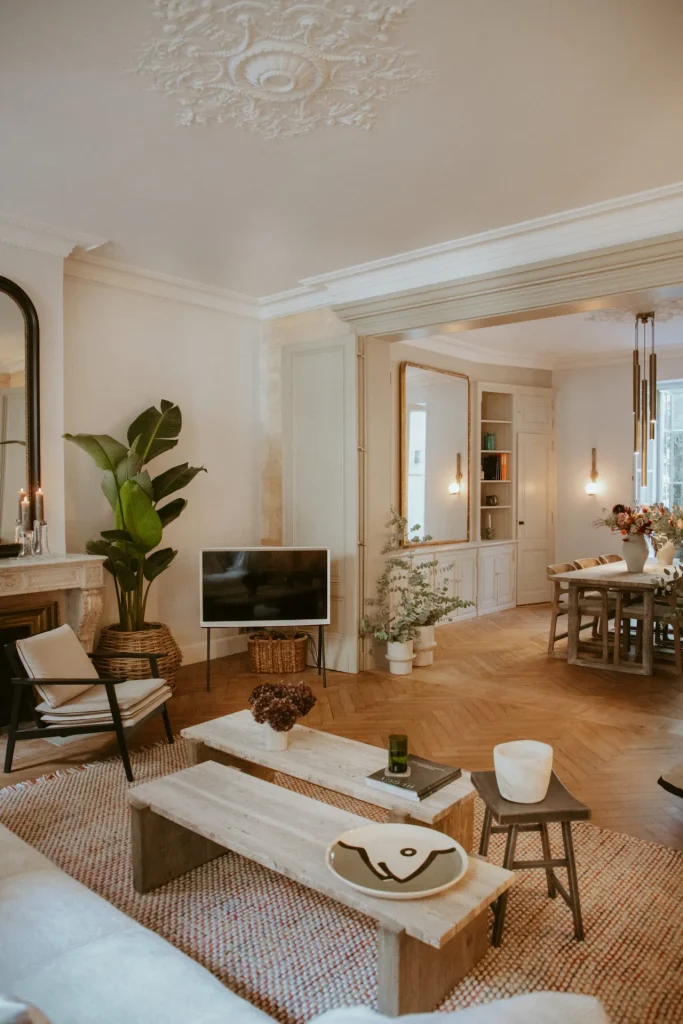
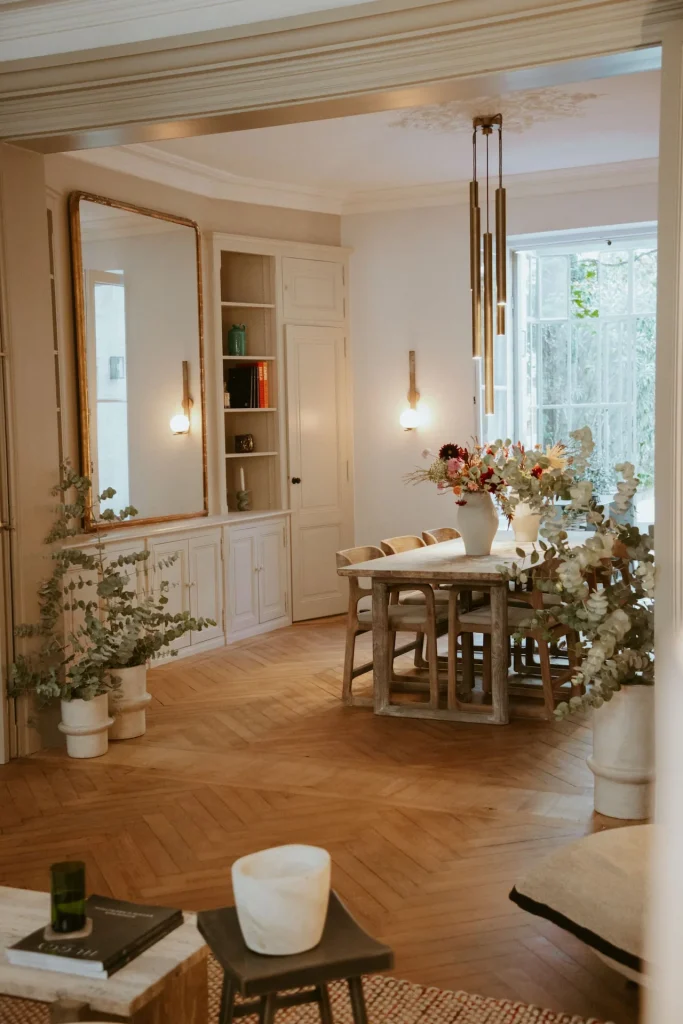
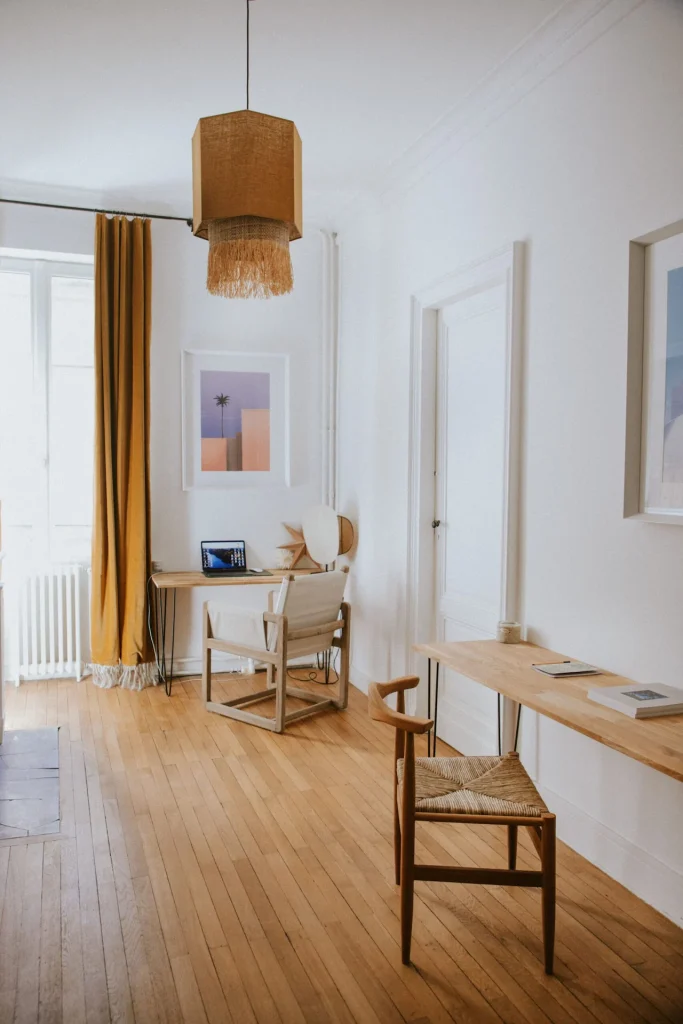
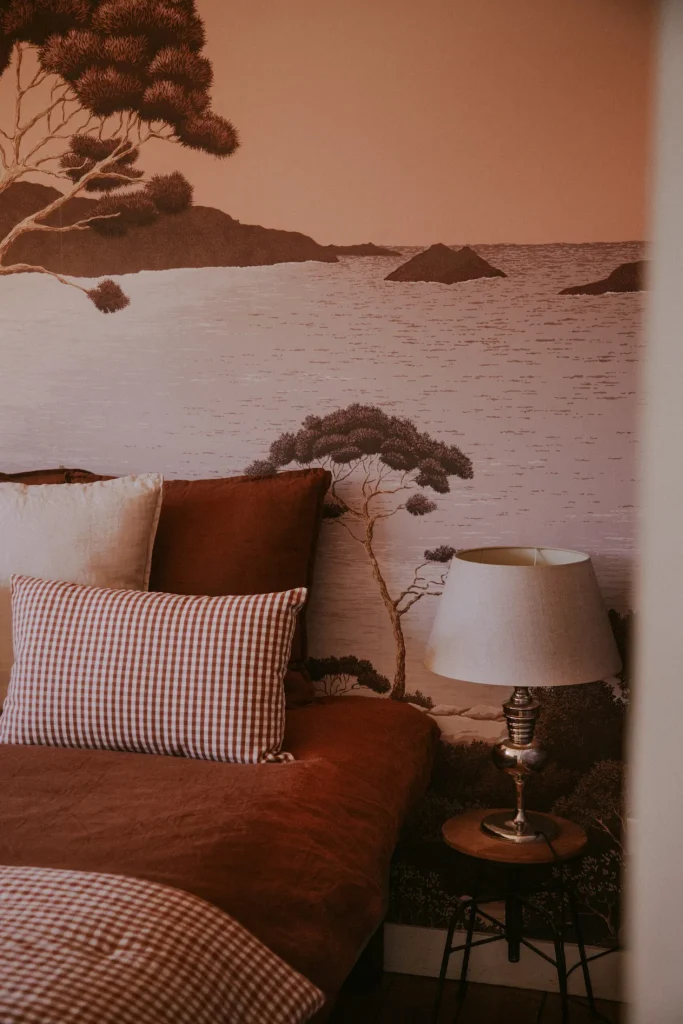
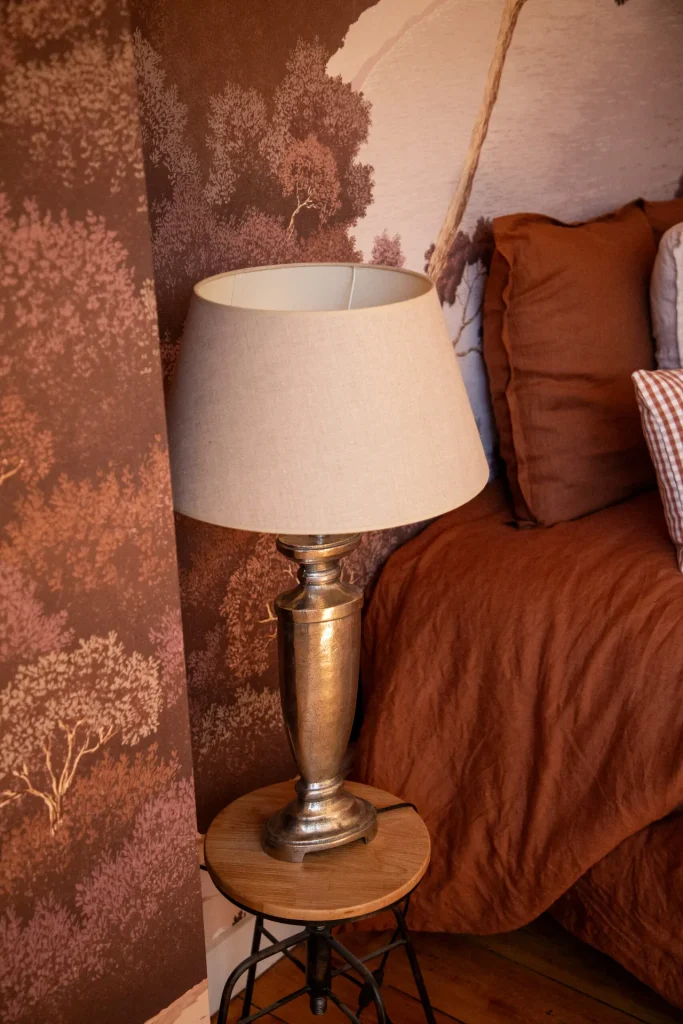
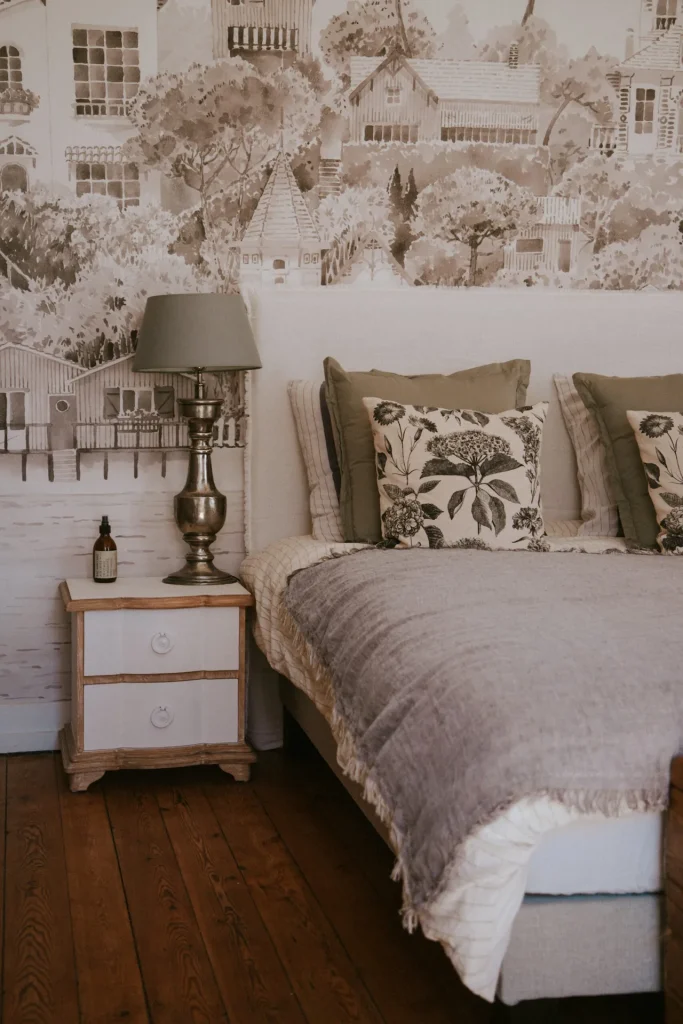
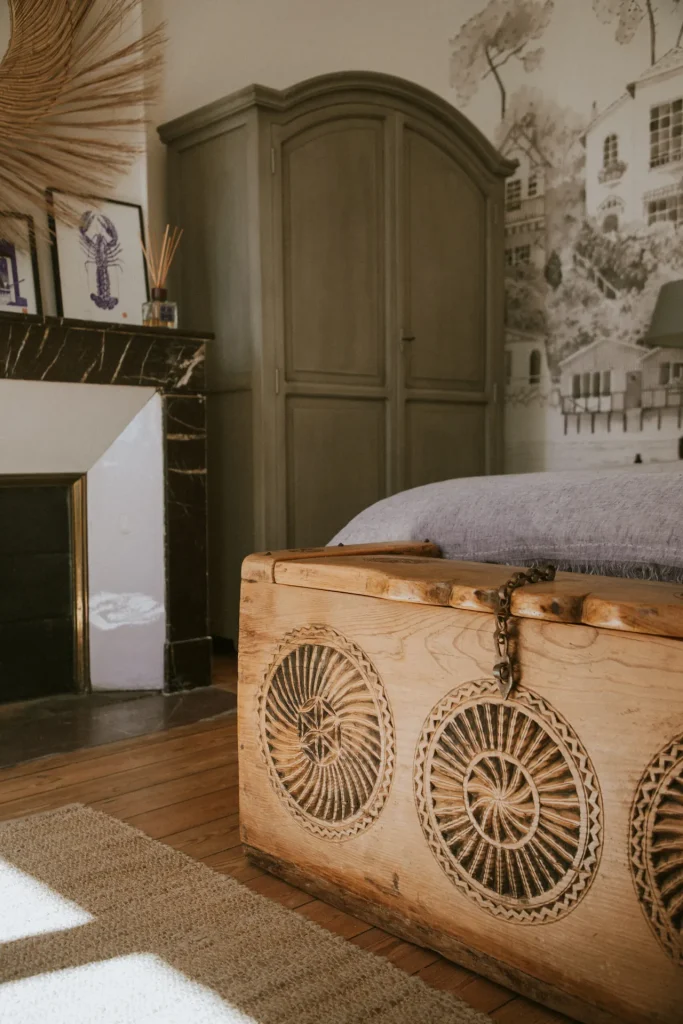
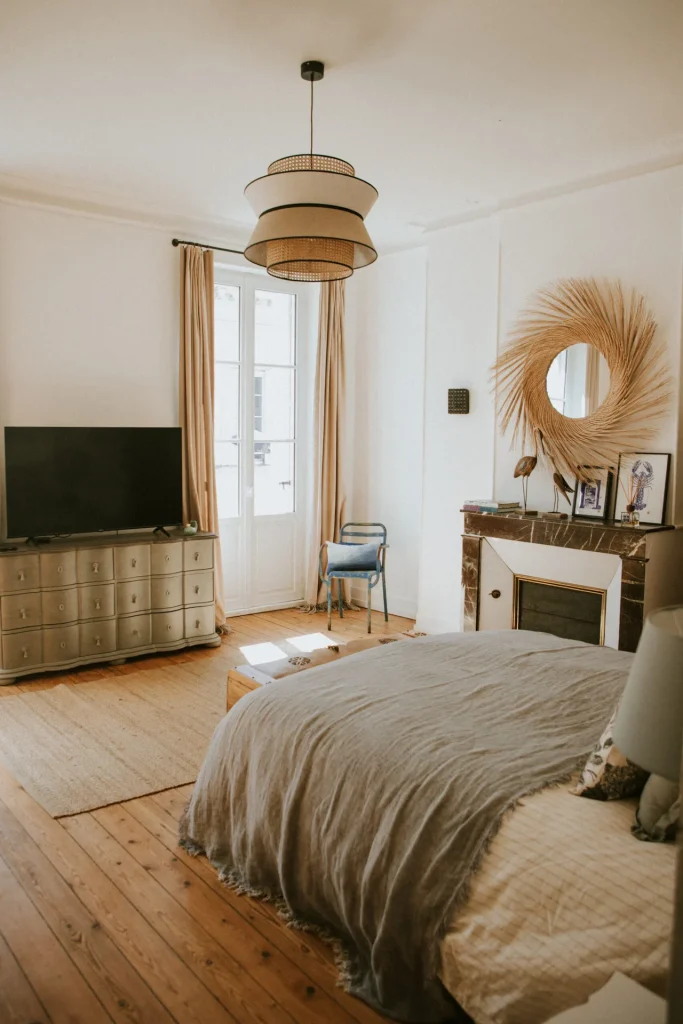
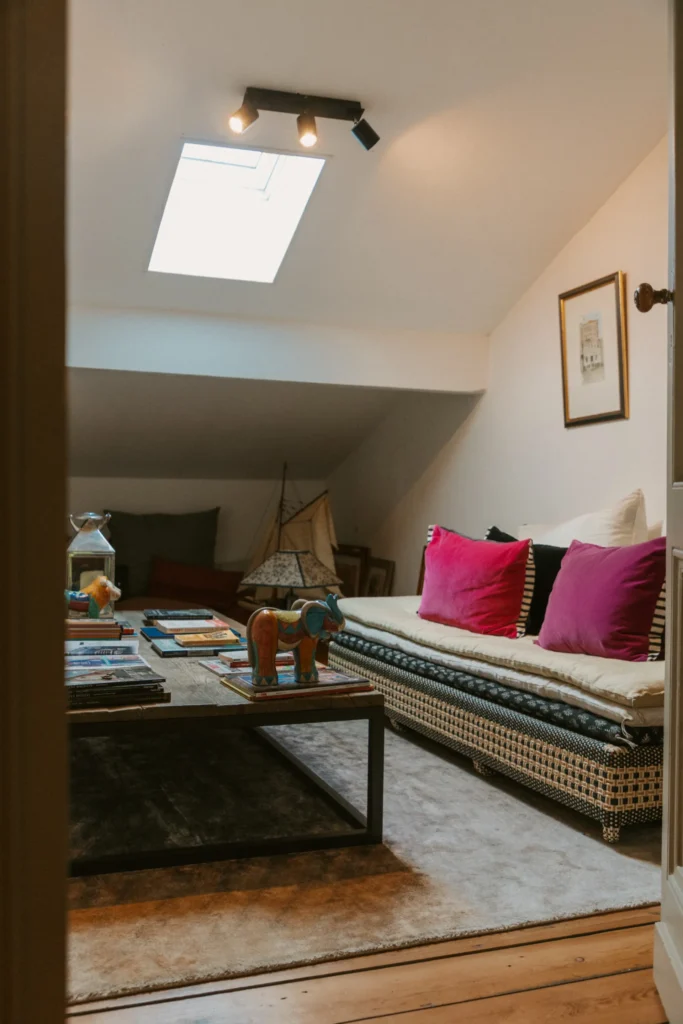
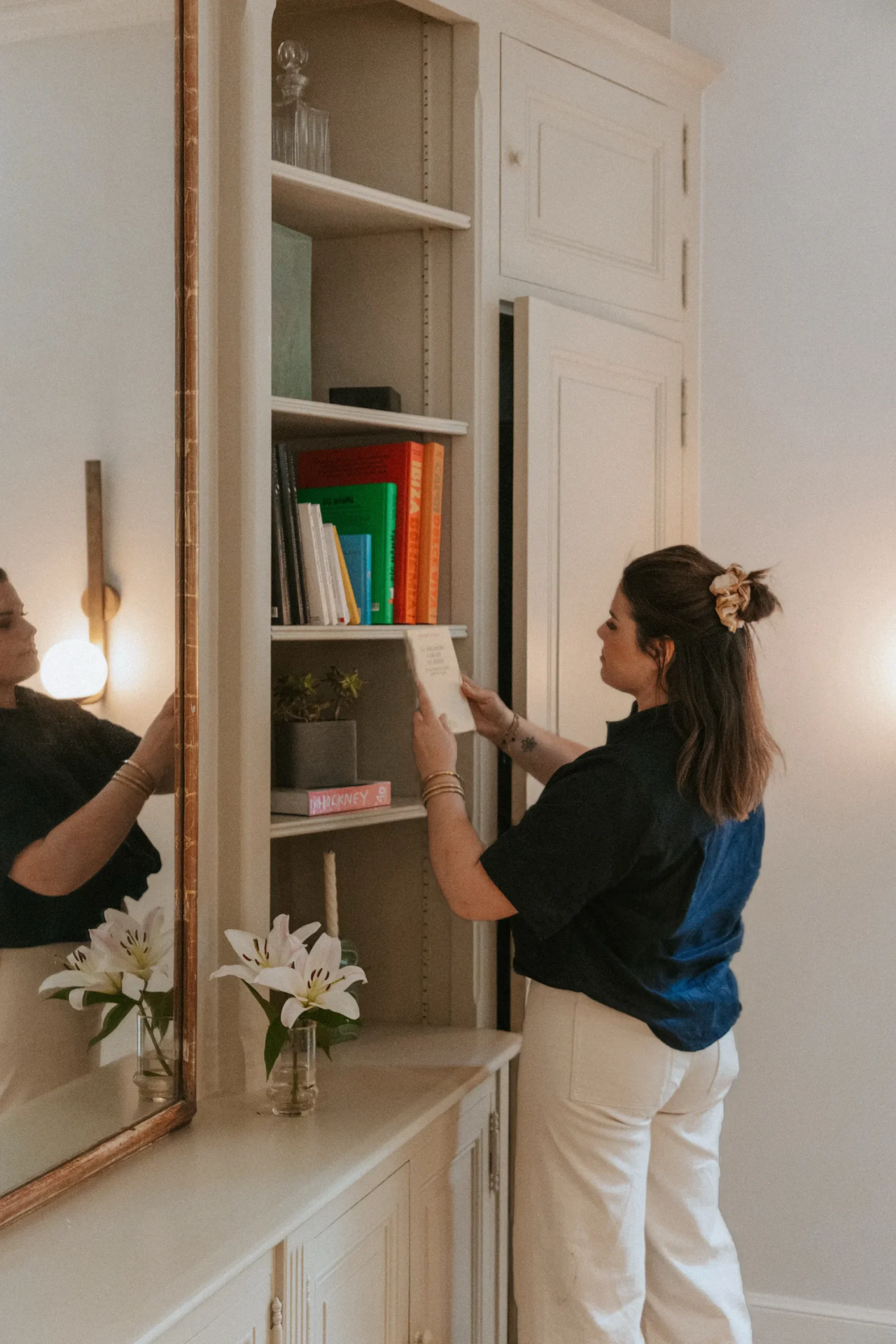
Some have a soul that you sense right away. The old hardwood floors that creak slightly. The original moldings. The carefully chosen objects. The books left out for guests to read. The works of art. These details are never just trivial. They give the living room a personality that you rarely find in standardized accommodations.
In the end, the best memory of a trip isn't always the one you had planned
We often think we’ll remember a landmark, a great restaurant, or a particularly memorable visit.
But then the years go by. And what comes back to mind is often something else entirely. An impromptu breakfast in the garden. A dinner we cooked together after a day in Saint-Émilion. Bursts of laughter around a large table. The light streaming into the living room on a Sunday morning, or that very special feeling of being at home… somewhere else.
Choosing accommodations goes far beyond the question of comfort. It influences the way we share a trip. It creates a setting where reconnecting happens naturally, where everyone finds their own rhythm, and where memories are made without us even realizing it. This is probably why characterful homes are now attracting a growing number of travelers.
They offer a more personal, freer, and more human experience, perfectly aligned with the new expectations of tourism, which are increasingly focused on authenticity, connection, and shared moments.
Another Way to Stay in Bordeaux
In Bordeaux, this philosophy really comes into its own. The city invites you to slow down. To explore its neighborhoods on foot. To step inside an independent wine shop.
To take the time to visit the market on Sunday morning. To linger in a public park rather than rushing from one monument to the next. Staying in a house allows you to embrace this pace.
You’re no longer just visiting Bordeaux. You live there, whether for a weekend or a few days. It’s this vision of hospitality that also drives Maison Mandel.
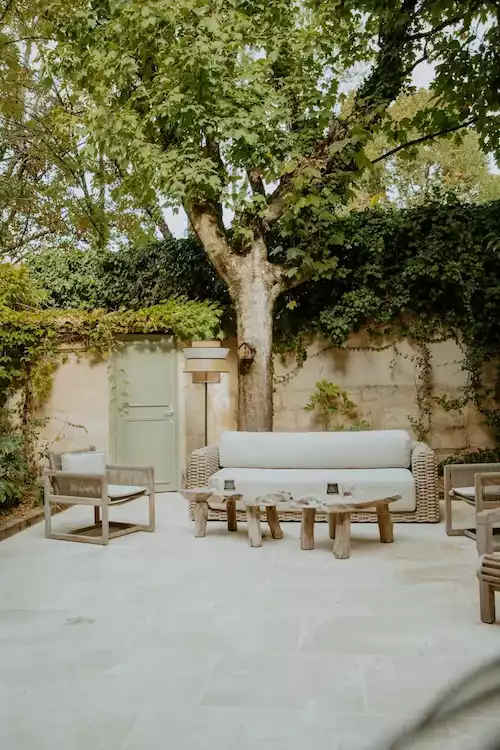
Nestled in the Saint-Seurin neighborhood, just a few minutes from the historic center, the house was designed as a true living space. It features a large open kitchen, several reception areas, a green terrace, and bedrooms where everyone can enjoy their privacy.
More than just a place to stay, it invites you to experience Bordeaux like a local: enjoy a cup of coffee on the terrace before heading to the market, return after a stroll along the Garonne to cook together, or keep the conversation going late into the evening. Because, ultimately, a successful trip isn’t just one that lets you discover a destination. It’s one that makes you want to come back.