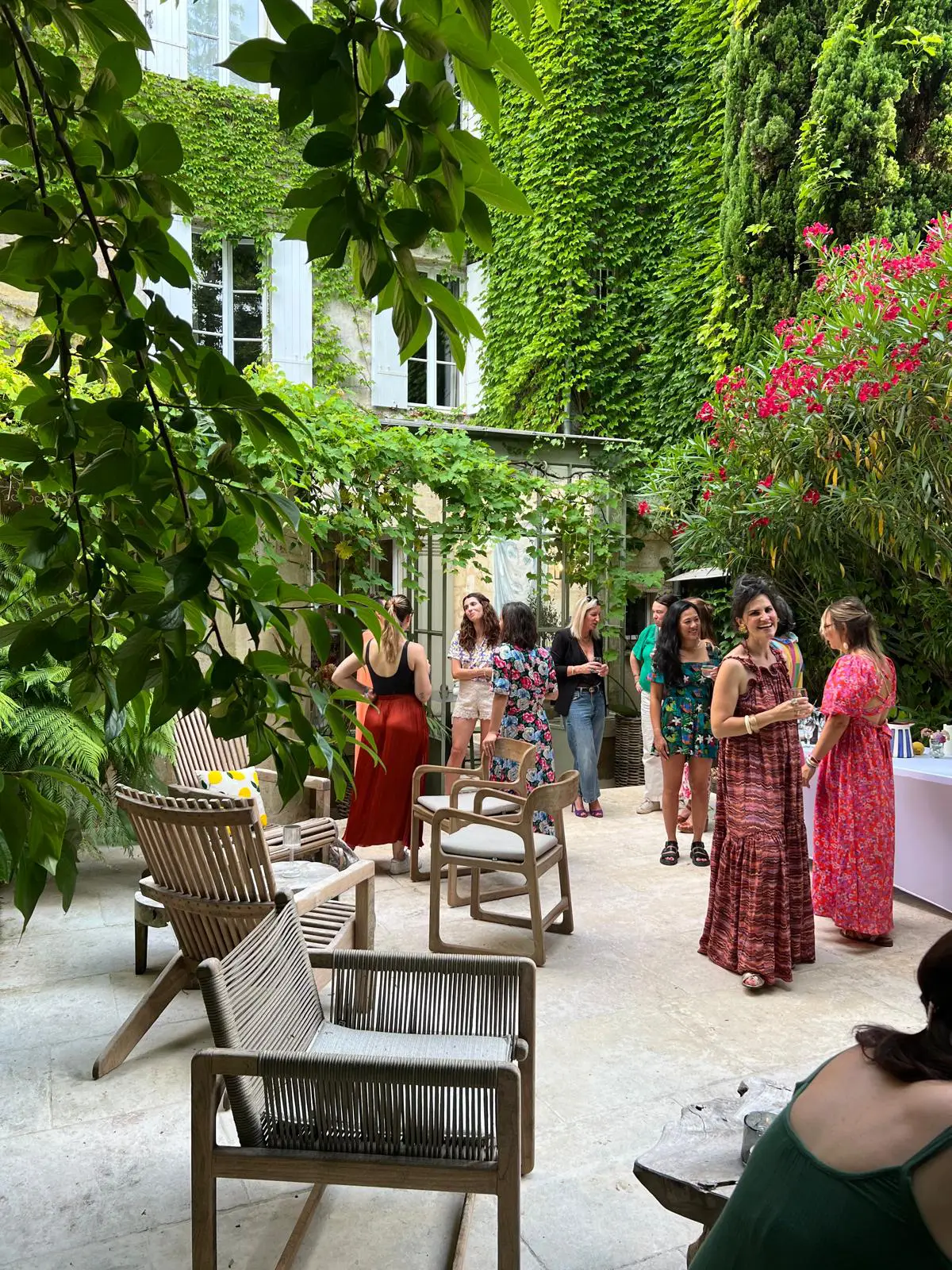
Why Choose a Historic Home for Your Corporate Seminar?
Beyond the Setting: Why the Choice of Venue Shapes the Success of Your Seminar.
A successful corporate seminar depends on much more than a well-crafted program. In fact, the venue where it takes place influences the energy of the discussions, the quality of collective thinking, and the memories the teams will take away. Yet many companies still default to standardized hotels or impersonal conference centers without fully considering the real impact of this decision. Here’s why a charming, character-filled venue is now the best choice for seminars that really matter.
In this article, you will find:
The Limitations of Traditional Formats
Before advocating for a particular format, it’s important to understand why the others have their limitations. In practical terms, three options dominate the corporate seminar market, each with its own shortcomings.
The 4-star hotel remains the most common format. It offers well-established logistics and a reassuring all-inclusive package. However, it unconsciously perpetuates a standardized professional atmosphere. The meeting rooms all look the same, the setting remains neutral, and teams never truly step outside the realm of formal work.
The seminar center focuses on pure efficiency. On the other hand, its functional architecture, designed for the rapid turnover of groups, leaves little room for identity and emotion. Teams go through a structured day there without retaining any distinctive memories of it.
A restaurant’s banquet hall is suitable for short events involving business meals. However, it imposes strict time constraints and a setting designed for dining, not for group reflection or creative workshops.
Each of these formats works for certain needs. Nevertheless, none of them truly allows for the creation of a distinctive moment that leaves a lasting impression on teams.
The 4 Major Advantages of a Home with Character
Unlike standardized venues, a distinctive venue transforms the very nature of a seminar. Here are the four advantages that explain why.
An environment that makes it easier to unwind
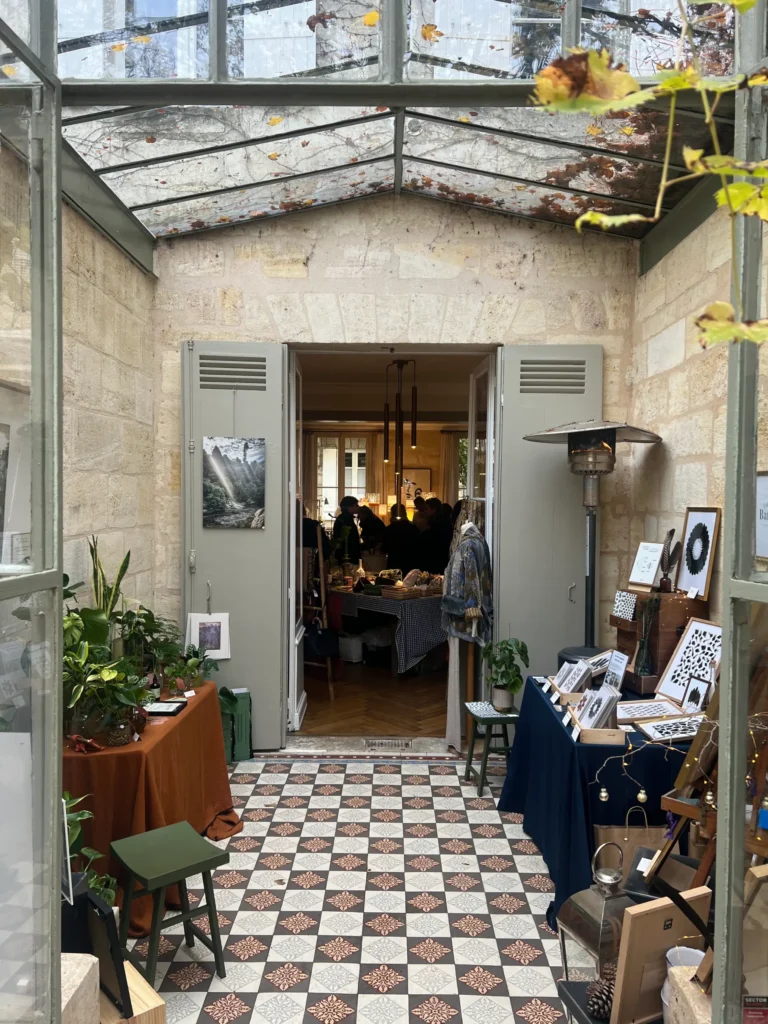
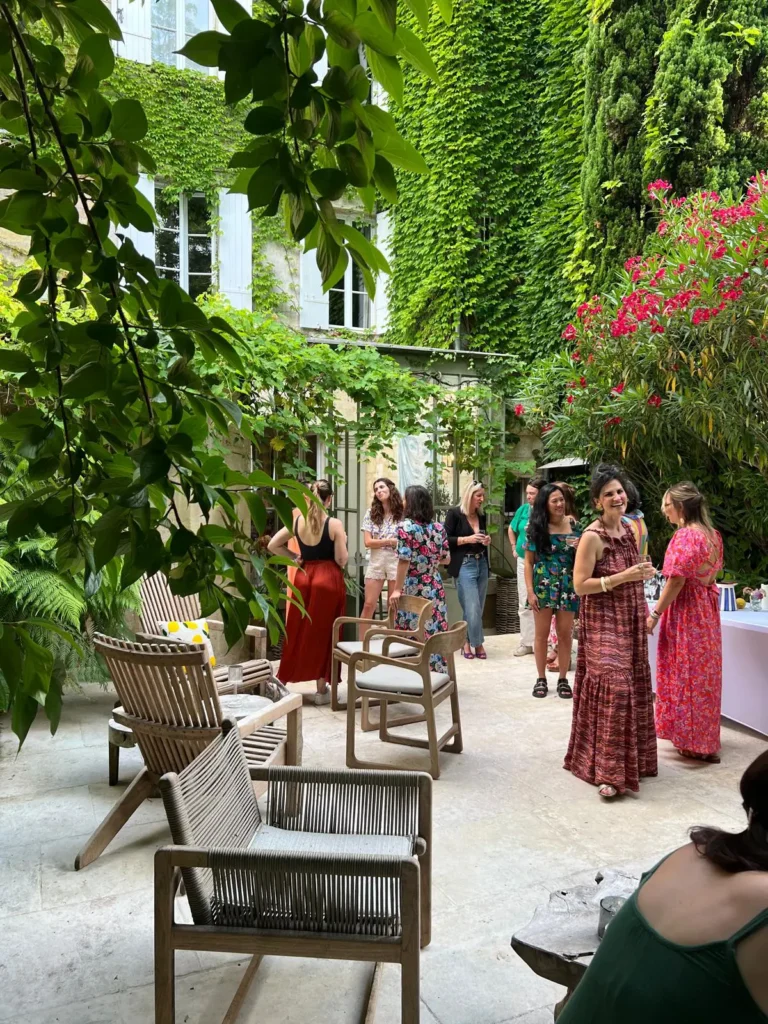
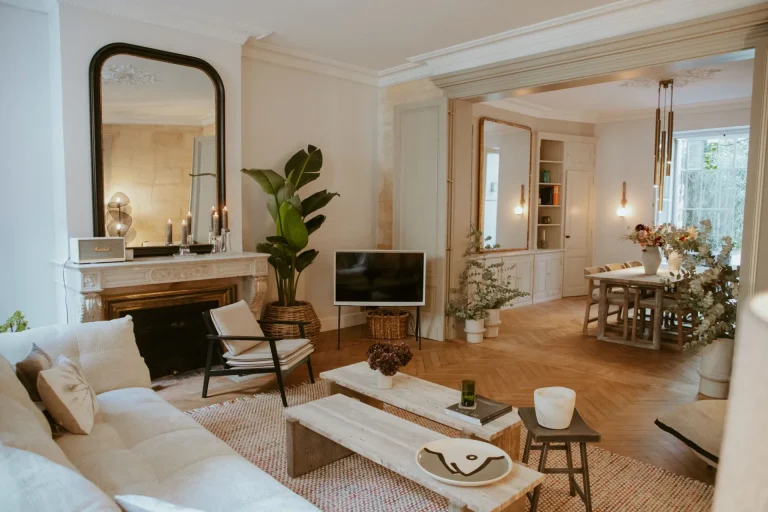
First, a home radically changes the participants’ mindset. The different spaces, natural light, intimate living areas, and outdoor garden create an immediate sense of being in a different environment. In fact, teams are no longer sitting in the usual meeting room. They move between different spaces, interact in new settings, and naturally step outside their rigid professional roles. As a result, people speak up more readily, hierarchies fade, and collective thinking gains depth.
A Fully Customizable Experience
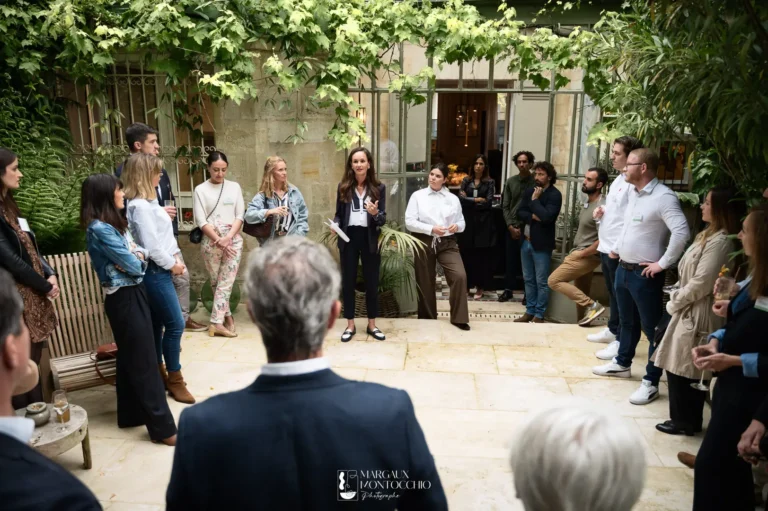
Furthermore, a privately rented home offers a level of flexibility that is impossible in a standardized hotel. In practical terms, every space can be adapted: a plenary session in the morning, breakout workshops in the afternoon, and a cocktail reception in the garden at the end of the day. Additionally, the decor, catering, and entertainment are all customized. Furthermore, partner service providers (private chef, bartender, facilitator, DJ, photographer) are added based on the seminar’s actual needs. Unlike a pre-set package, each company designs an experience that aligns with its specific goals.
A strong emotional impact on the teams
A seminar held at a hotel quickly blends in with the other events on the business calendar. In contrast, a seminar held at a charming, characterful house leaves a distinctive impression. Teams remember the setting, the informal conversations in the living room, and the moments of laughter in the garden. This collective memory fosters team cohesion long after the event is over. It becomes a shared reference point that employees spontaneously bring up in the months that follow.
A Tangible Return on Investment in People
Finally, investing in a unique venue yields a measurable return. Teams that participate in a memorable seminar become more engaged, communicate more effectively, and drive the projects they’ve launched further. Additionally, the venue itself sends a strong signal: it conveys to employees that their company is investing in quality experiences. In practical terms, this perception strengthens loyalty to the organization and helps retain talent.

For what types of seminars does a house really make a difference?
Not all types of events benefit equally from a distinctive venue. However, three types of seminars are particularly well-suited to such a setting.
The Executive Committee, or strategic management committee, benefits greatly from stepping away from the office. Indeed, important decisions require perspective, focus, and the freedom to express oneself. Thus, a private setting, far from daily interruptions, allows executives to think differently and break through impasses on sensitive issues.
The annual kickoff or project launch also benefits from a venue with a strong identity. In practical terms, starting the year in a distinctive setting immediately creates a collective energy. Teams remember the moment as a memorable starting point, not just another meeting.
Creative or innovation workshops find their ideal setting in a historic home. Indeed, creativity demands changes in perspective, varied atmospheres, and informal moments. Furthermore, the living rooms, garden, and flexible spaces offer exactly the breathing room that creative thinking requires.
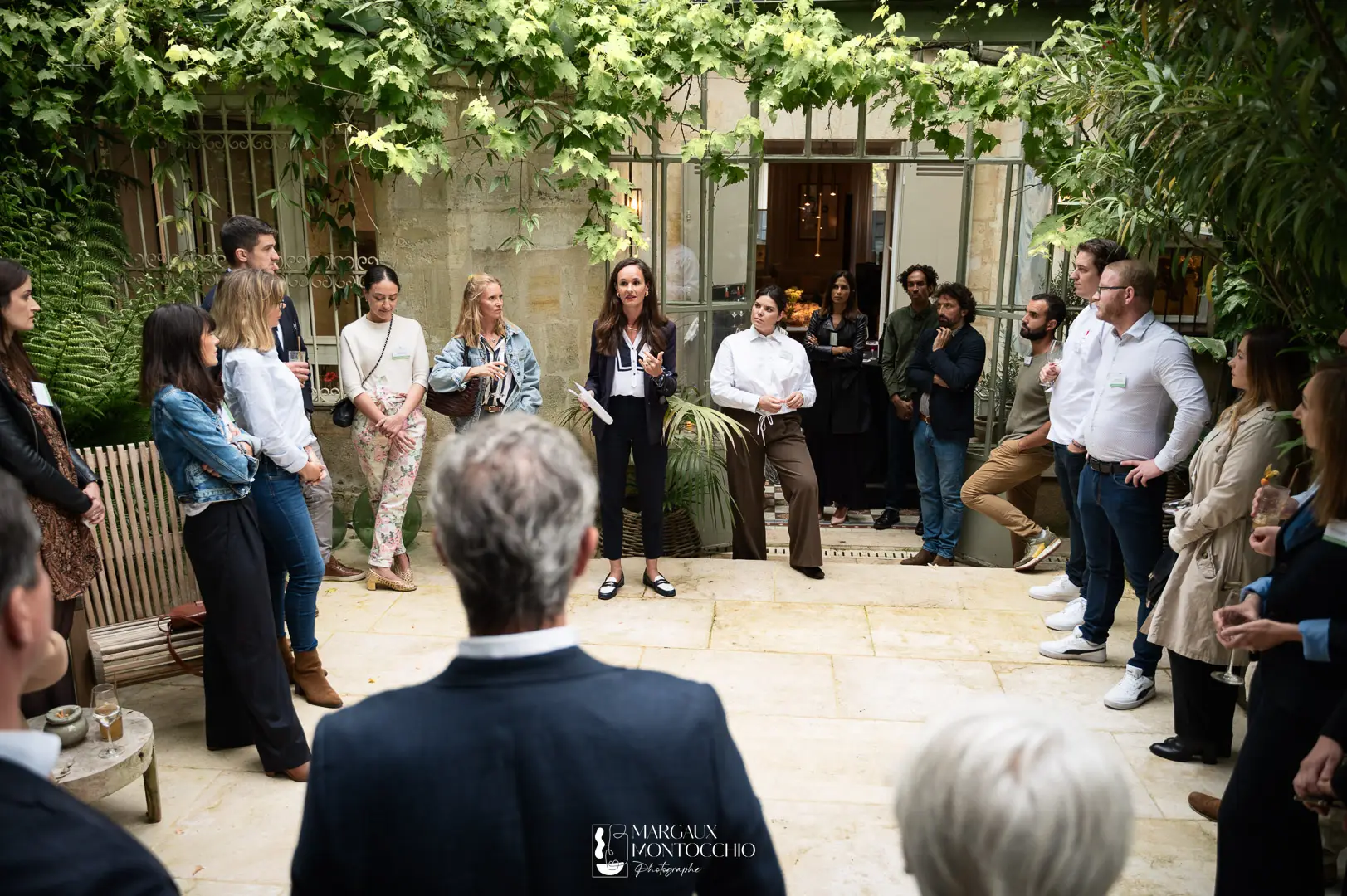
Maison Mandel: Our Offer in Bordeaux
At Maison Mandel, located in Bordeaux’s historic Saint-Seurin neighborhood, we’ve created a space designed for those moments that really matter. Specifically, the venue accommodates three types of seminars: up to 18 people gathered around a large table for strategic committee meetings, up to 25 people seated in a conference-style layout for structured presentations, and up to 45 people in a cocktail-style setup for large-scale kickoffs.
In addition, the venue features a private garden that allows for a variety of atmospheres throughout the day. In practice, it also enables the venue to coordinate a network of recognized service providers (chef, bartender, facilitator, DJ) based on the specific needs of the seminar. This way, each company can create an experience tailored to its specific goals, without being limited by a pre-set package.
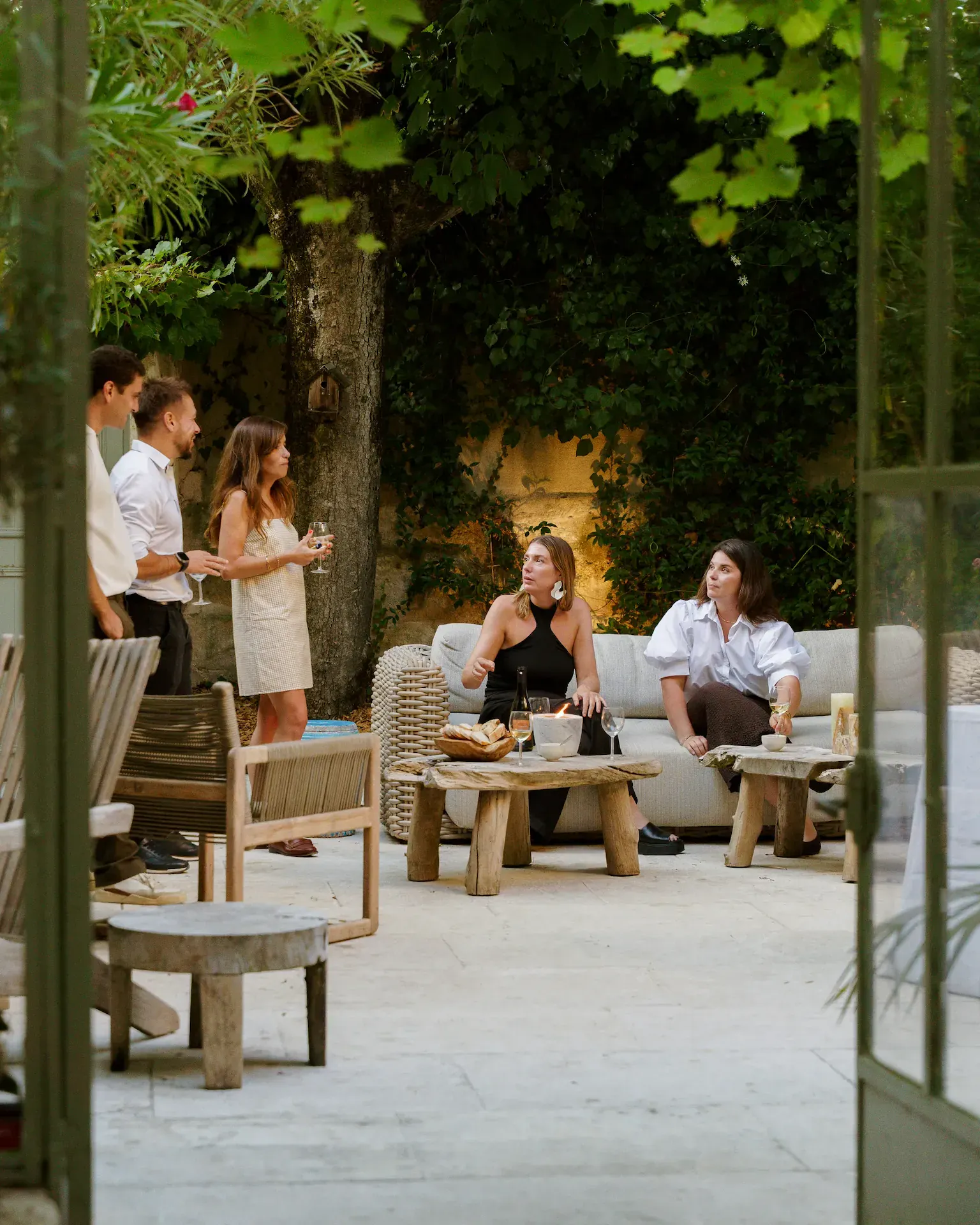
Marie's Perspective
When I give tours of Maison Mandel, I often notice the same thing.
The first few minutes are just like any other tour. We talk about capacity. About the layout of the spaces. About organization. Then, almost imperceptibly, the conversation shifts. Visitors settle in around the table. They picture their employees having coffee in the kitchen.
They picture a lunch that might spill out onto the terrace, a meeting in the living room, a conversation in the garden. At that moment, they’re no longer just looking at a place. They’re already beginning to imagine what they’ll experience there. And I believe that’s where it all begins. A home was never meant to impress.
It exists to welcome. And when it welcomes people in just the right way, it leaves room for ideas, exchanges, and encounters.
Perhaps that, ultimately, is the role of a seminar venue. Not to be the center of attention, but to create the conditions so that the people who gather there can give their very best.
Marie Loyon
Founder of Maison Mandel
Frequently Asked Questions
Further Reading
Are you planning a corporate seminar in Bordeaux? Be sure to check out our other articles as well:
Or explore the spaces and services offered by Maison Mandel, designed to host seminars, executive committee meetings, workshops, and professional events in a warm and inspiring setting.