
Why Brands No Longer Launch Their Products in Banquet Halls
When the venue becomes the first chapter in a brand’s story. Product Launch: Why Choose a Venue with Character?
The success of a product launch no longer depends solely on the product itself. Discover why brands today prefer venues with character over traditional reception halls.
"People forget what you say to them. They forget what you do. But they never forget how you made them feel." — Maya Angelou
In this article, you will find:
Brands no longer just sell products. They create memories.
For a long time, launching a product meant organizing a press conference, gathering a few journalists, unveiling a new product, and hoping it would generate buzz.
The venue didn’t really matter that much.
A reception hall. A hotel. A convention center. The product was the sole focus of attention.
Today, this approach has changed dramatically. Brands no longer seek merely to showcase a new product. They want to create an experience.
They want their guests to feel something even before they discover the product.
This transformation goes hand in hand with the rise of experiential marketing, an approach that prioritizes immersion, participation, and emotion over a simple demonstration. Industry experts note that lived experiences create more lasting connections with a brand than traditional advertising messages.
In other words…
The launch now begins well before the product is unveiled. It starts the moment guests walk through the door.
The location has become the brand's primary message
Even before a word is spoken, a place already tells a story.
A conference room evokes efficiency. A showroom inspires innovation. Similarly, an art gallery suggests creativity.
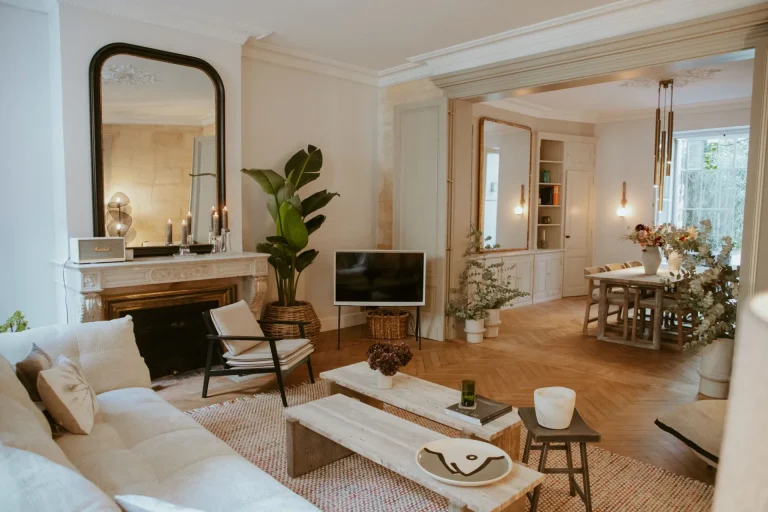
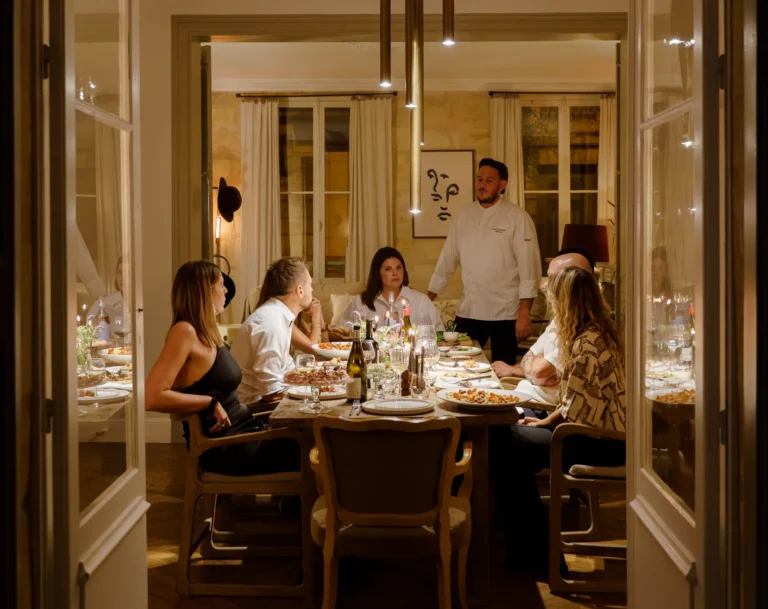
A home, on the other hand, tells a completely different story. It evokes warmth, closeness, light, and the time we take to savor the moment. Conversations flow freely, materials invite touch, and books catch the eye on a shelf. The open kitchen, in particular, naturally encourages interaction.
In a matter of seconds, a space conveys values without needing to explain them. Yet this is precisely what many brands are seeking today.
Because a product launch is no longer just about showcasing an object. It’s now about making people feel the world in which that object comes to life.
Experiential marketing experts, in fact, speak of a major shift: consumers and influencers want to experience a brand, not just observe it. Thus, immersive experiences strengthen engagement, recall, and brand perception by actively involving participants.
A home has something that no decor can replicate
A set design can be spectacular. A set can be flawlessly executed. However, certain places possess a quality that cannot be manufactured.
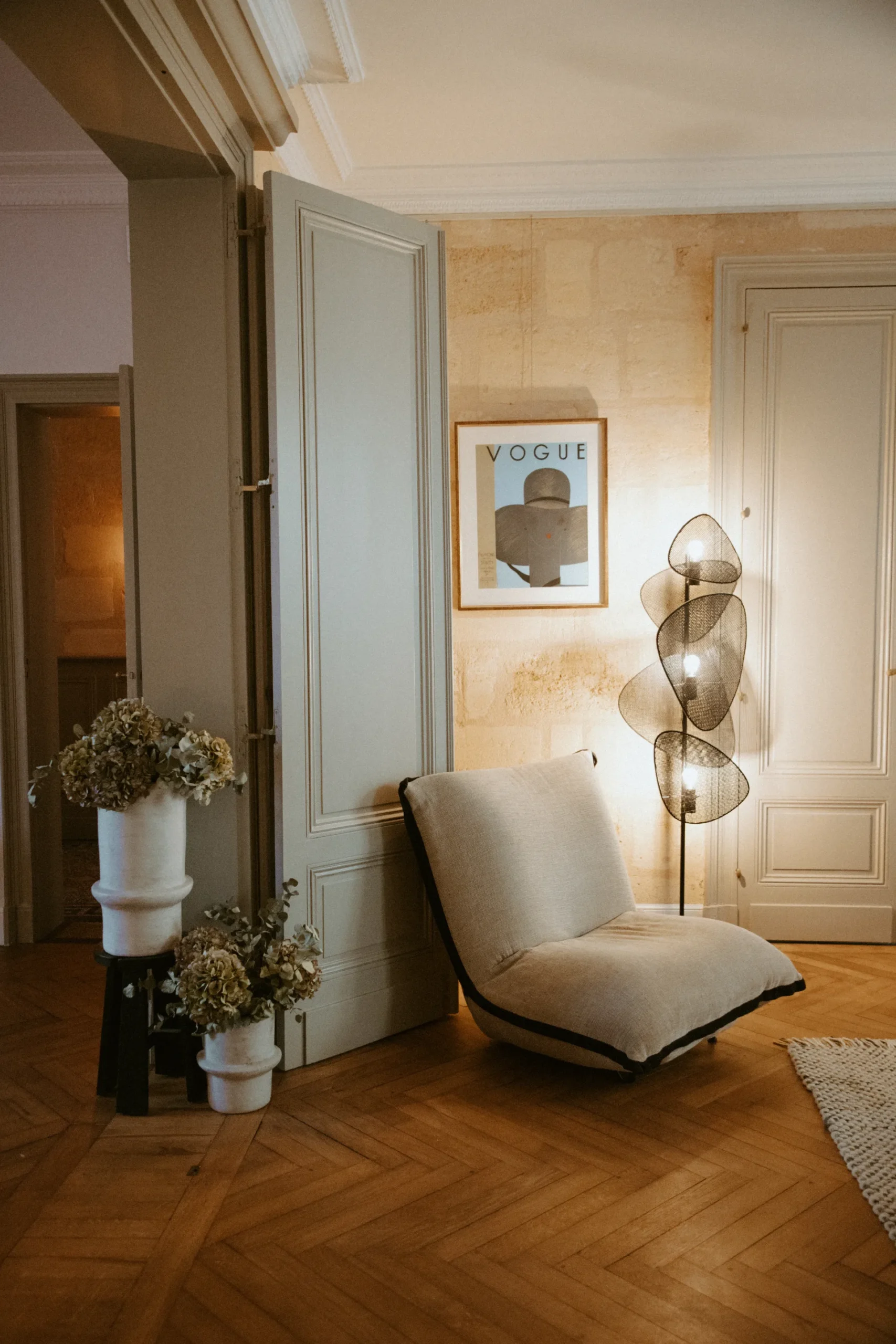
They have been lived in. They carry a history. Moreover, they exude a certain atmosphere. A library filled with books, an antique fireplace, a floor polished by time, a large table where you can already imagine the conversations taking place, a garden that naturally invites you to slow down: these elements are not mere props.
In practical terms, they add depth to the brand’s narrative. Moreover, they allow guests to imagine themselves in that space. And above all, they make the experience feel authentic.
Today, the most inspiring brands seek less to impress than to create a lasting emotional connection. Thus, the experience becomes an extension of their identity—a way to transform a launch into a shared memory rather than a mere product presentation. (Source: EventTrack Study, Event Marketer)
The place has become a medium
For a long time, communication relied primarily on advertising. Today, however, much of a brand’s visibility comes from content created by those present: journalists, photographers, videographers, content creators, or guests.
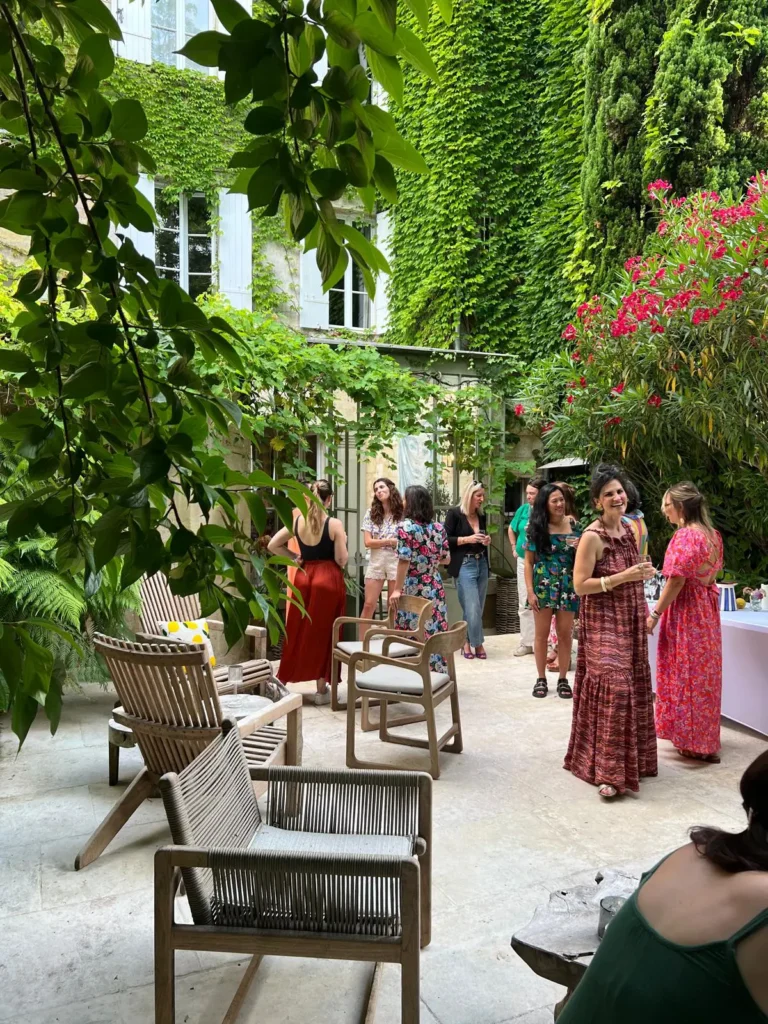
Every detail can thus become an image. A large, carefully set table; natural light streaming through a room; a bookshelf; an open kitchen; a flower-filled terrace—these elements aren’t just there to decorate an event.
In practice, they contribute to the narrative. In particular, they become photographic backdrops without looking like it. Furthermore, they provide an authentic setting in which products naturally find their place.
Industry professionals refer to this as “organic content ”: images that appear spontaneous and sincere, far removed from the conventions of traditional advertising. Yet it is precisely this type of content that generates the most engagement on social media today and inspires greater trust among consumers than traditional promotional messages.
Why Homes Appeal to the Most Inspiring Brands
Characterful homes offer something that standardized event venues struggle to replicate. They already have an identity of their own. The materials tell a story. The spaces create an atmosphere. The light changes throughout the day. The objects seem to have been chosen to be used rather than photographed. This authenticity has become invaluable.
Many premium brands now prefer apartments, homes, artists’ studios, or living spaces to showcase their collections, host press events, or entertain their partners. This choice is no accident.
It reflects a profound shift in communication: brands are less interested in impressing than in creating a sense of connection. Presenting a product in a home means giving it a real-life context. It’s no longer just about showing an object.
It’s about telling the story of how it fits into everyday life. And it’s often this vision that evokes emotion.
When a Place Complements a Brand's Story
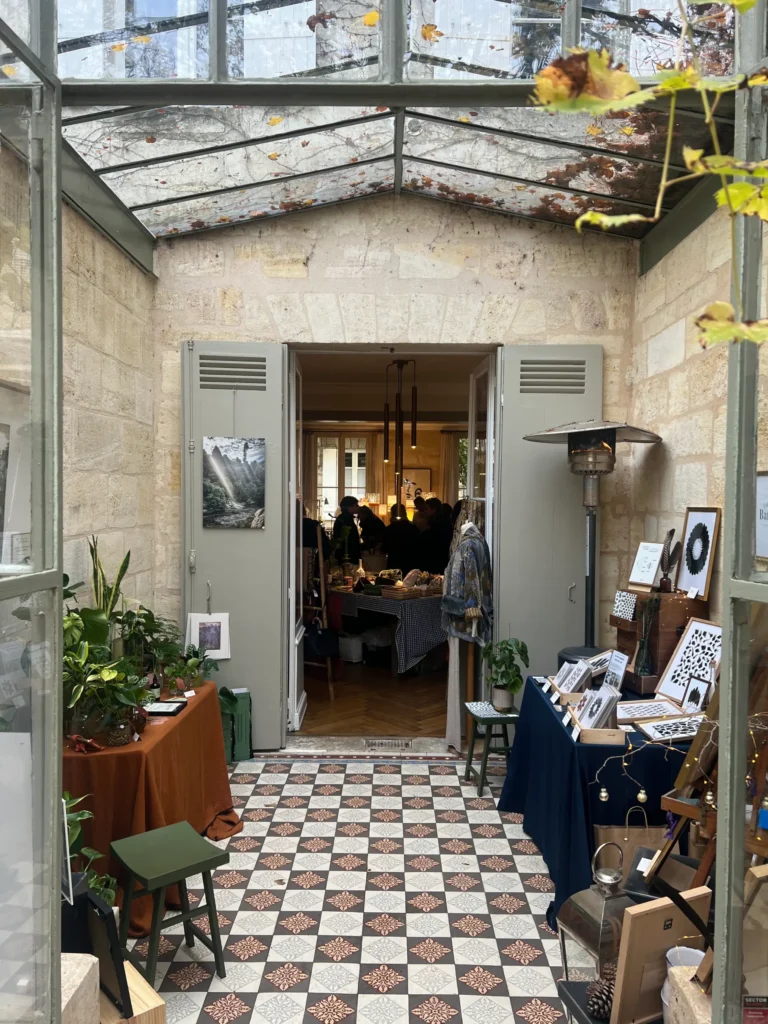
Since it opened, Maison Mandel has had the privilege of hosting fashion houses, wineries, cultural institutions, creative agencies, and companies that have come to design tailor-made experiences.
Every event was different. Yet one comment came up time and again.
“We were looking for a home, not just a room.” This single sentence sums up the shift in expectations. Teams weren’t just looking for a space that was large enough. They wanted a place with a soul.
A place where guests feel welcomed rather than merely expected. A place capable of complementing their story without ever overshadowing it. This distinction is essential. A house does not become the focus of the event. It reveals the event’s meaning.
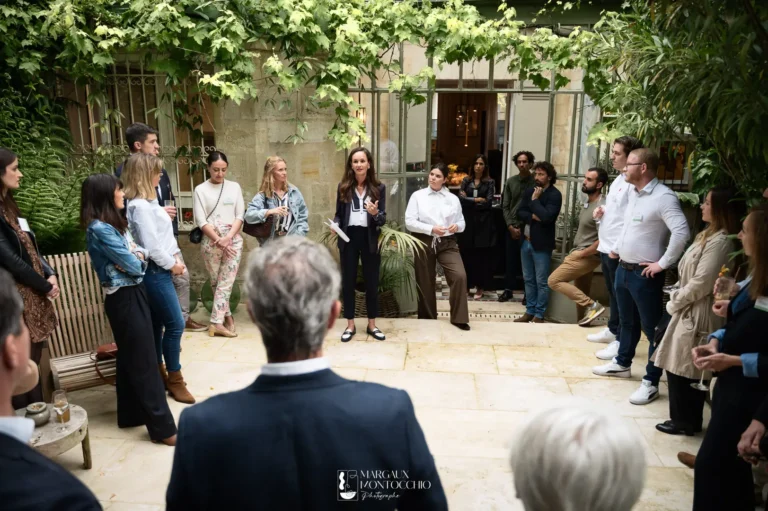
When the house hosts a press luncheon, a collection launch, an exclusive tasting, or an executive committee meeting, it does not seek to impress.
It creates an atmosphere. And it is often within this atmosphere that the most sincere exchanges take place.

Further Reading
If you’re planning a product launch, a press luncheon, a partner meeting, or a brand event in Bordeaux, ask yourself one simple question before booking your venue:
What story do you want your guests to share when they leave?
The answer isn’t found solely in your presentation. It might begin… right at the front door.